Category Archives: Uncategorized

Industrial archaeology maps

(Page created 18/01/26)
4700 – 7mb

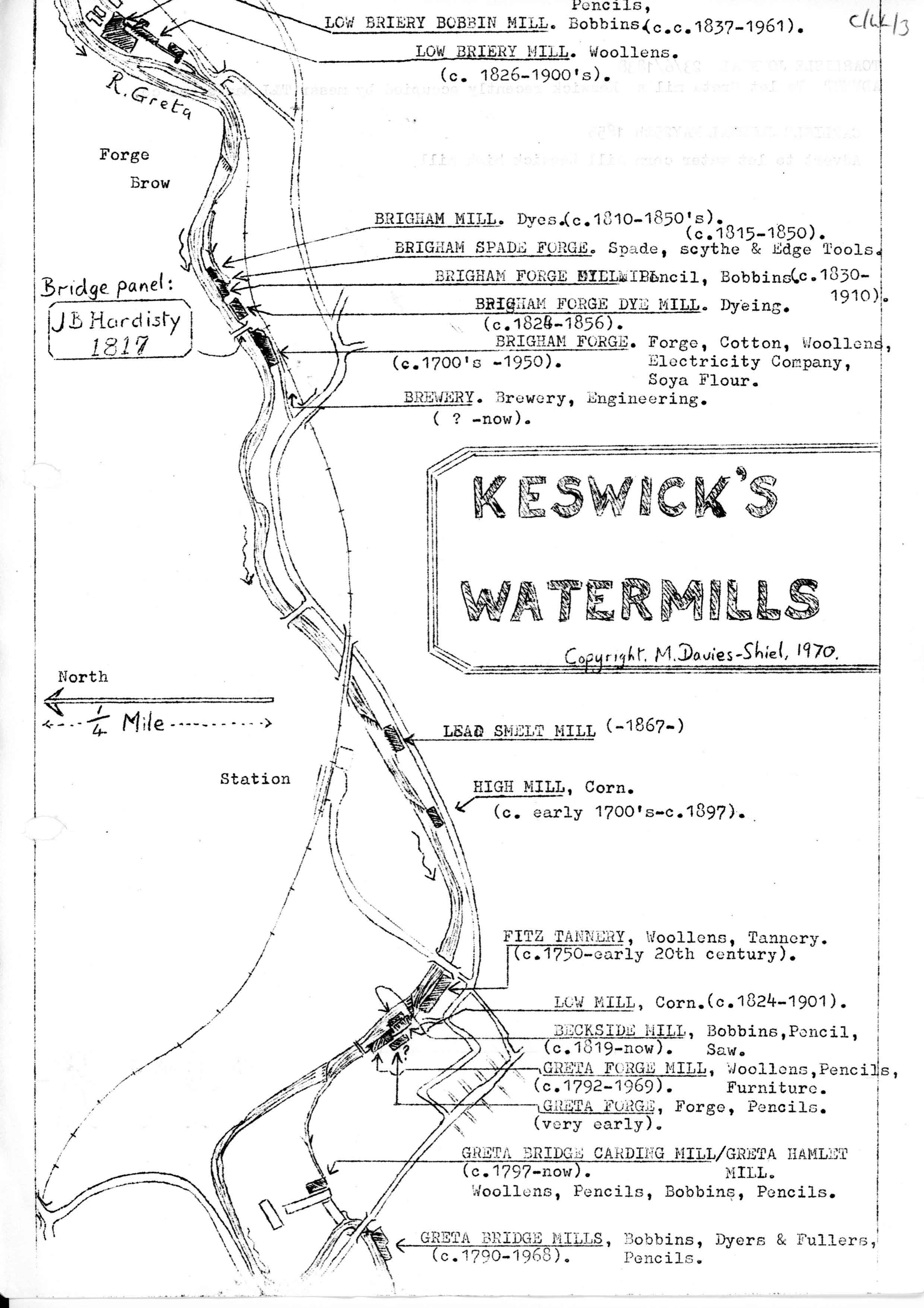
The Cumbria Industrial History Society (CIHS) is fortunate to have in its collection digital copies of a set of 2½ inch O.S. maps, annotated in the 1960s and 70s by Mike Davies-Shiel, that show the county’s rich industrial archaeology. The places he identified not only underpinned his own extensive research but also contributed a great deal to the Historic Environment Records of both the county of Cumbria and the Lake District National Park.

Although the maps do not give an exact location for the industrial remains (you need to access the HERs for that), and 60 years of research have added much to our knowledge of what was where and when, they still offer an excellent starting point for anyone investigating the industrial past of their local area.

The example shown above is of NY22 around Keswick, to give you an idea of what is on the maps. If you want to look at this one in detail you will need to save it to your laptop or phone as you would any website image – using right click and save on a laptop, or touch the image and save on a phone.

Putting all the images online would overwhelm the website, so we are making digital copies of all the maps available from the CIHS Secretary at lowludderburn@btinternet.com. There will be no charge for 1 or 2 maps if you are a member of the Society, otherwise please contact the Secretary for current charges.

To identify the 2½ inch map for your area take the first and fourth numbers from the grid reference of your location. For example, the map that covers SD 376845 is SD38.


Spades and blades – edge tool manufacture

The second half of the 18th century saw the establishment of a new branch of the metal-using industries in Furness and Cumberland, that of spade manufacture. According to Alfred Fell, Furness bar iron was too soft for this purpose, and so suitable iron was imported for hammering into spade blades in small water-powered workshops with trip-hammers.

The earliest clear reference to edge-tools in Lakeland relates to a sickle mill in Staveley in 1689. An indenture in the Leconfield MSS at Cockermouth Castle states that in 1756 John Bartholomew was to be apprenticed for five years as a ‘spade plaiter and finisher at Cleator Plaiting Forge’. Dalston forge is believed to have commenced work in the same year.

Eventually over 10 sickle mills and 15 spade forges were in operation; four of the latter are known to have begun between 1756 and 1782, and most of the others appear to belong to that period. For example, the main building at Rosside dates from 1776, and Wath Forge at Cleator began work in 1782.

Spade manufacture (and that of other edge tools) provided employment for skilled hammermen when charcoal forges, in southern Lakeland at least, were being abandoned by the major iron firms during the second half of the 18th century. The development of agriculture, and the growth of mining and quarrying, meant that their products were in demand. A few – both Cleator and Rosside for example – lasted into the 19th century.

(From The Industrial Archaeology of the Lake Counties, and The Lake District at Work, both by Mike Davies-Shiel and John Marshall).

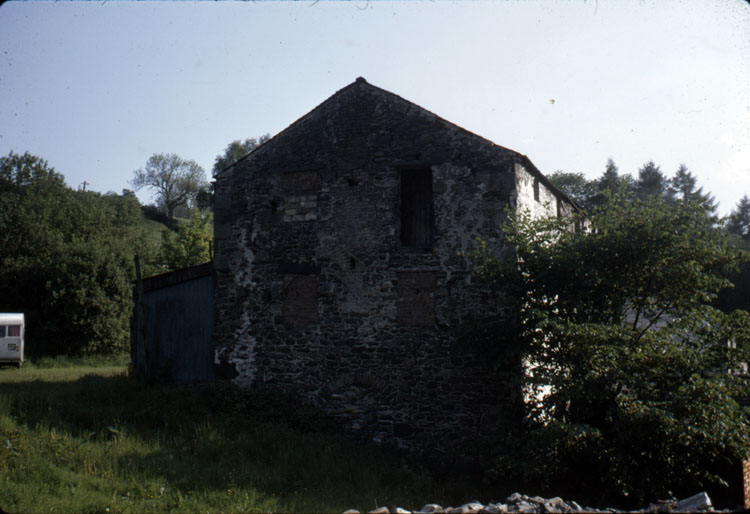
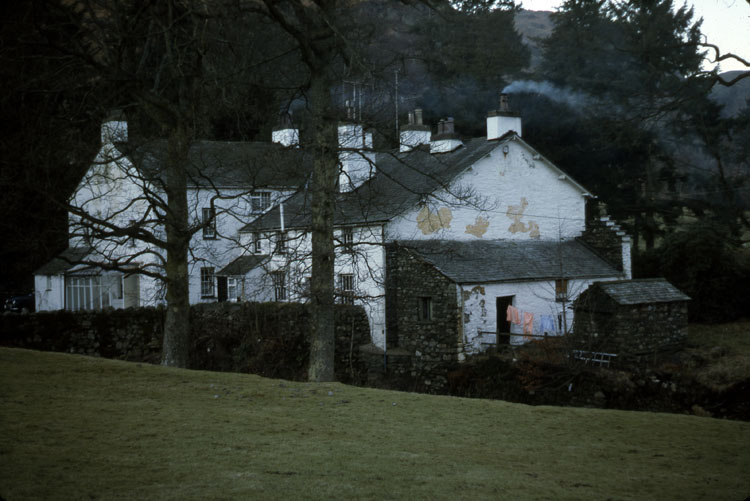
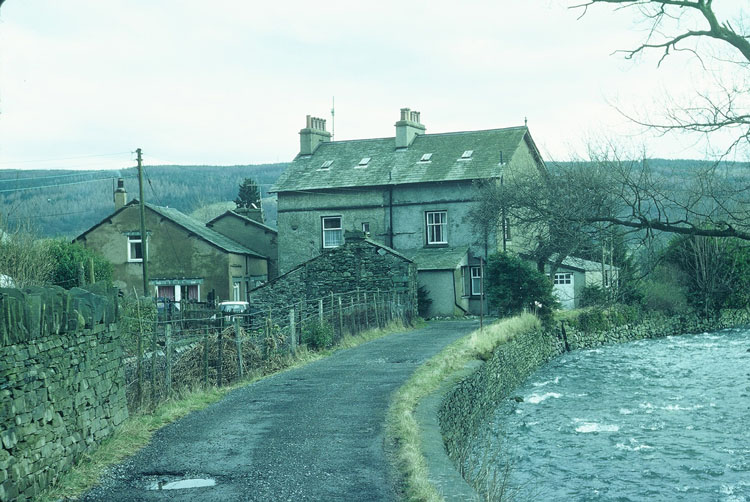
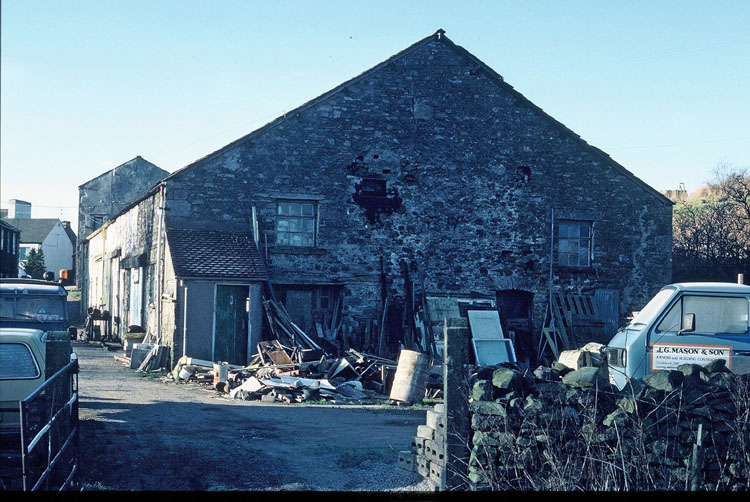
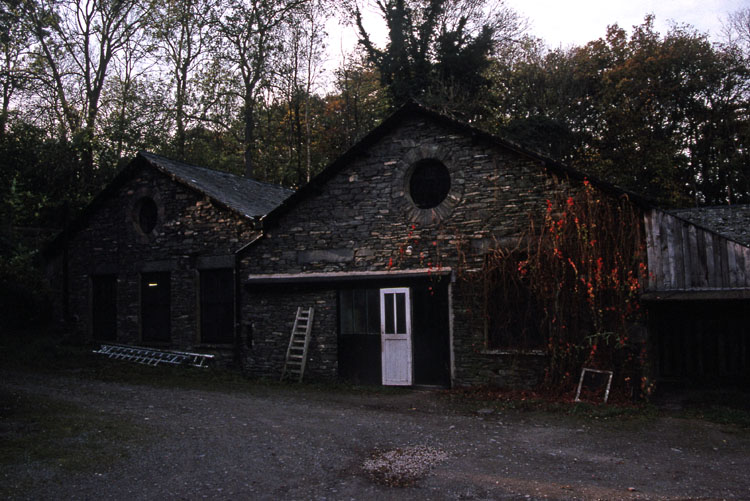
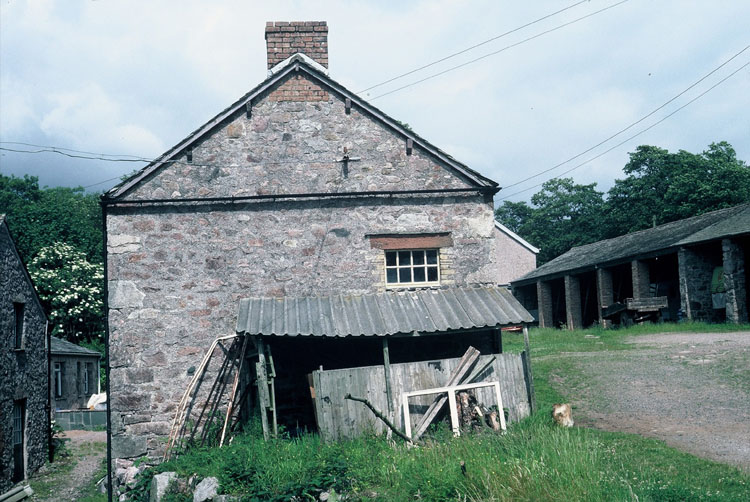
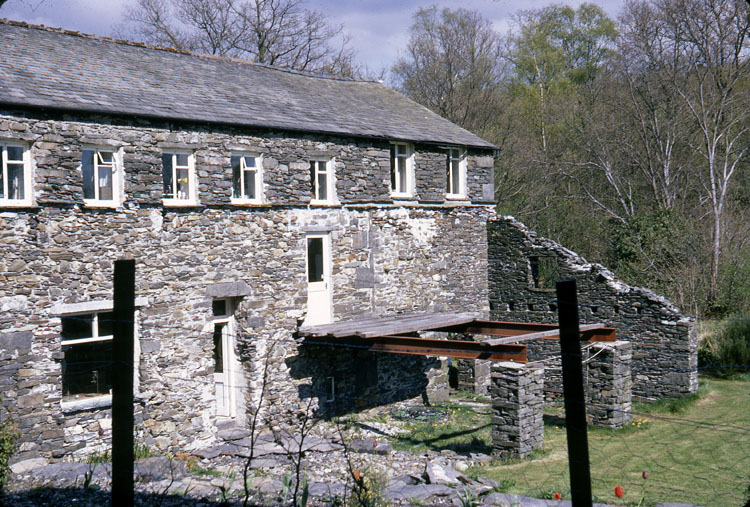
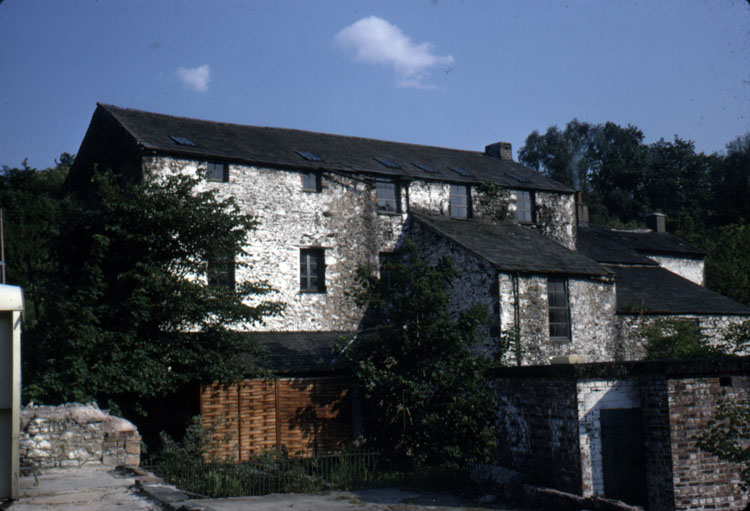
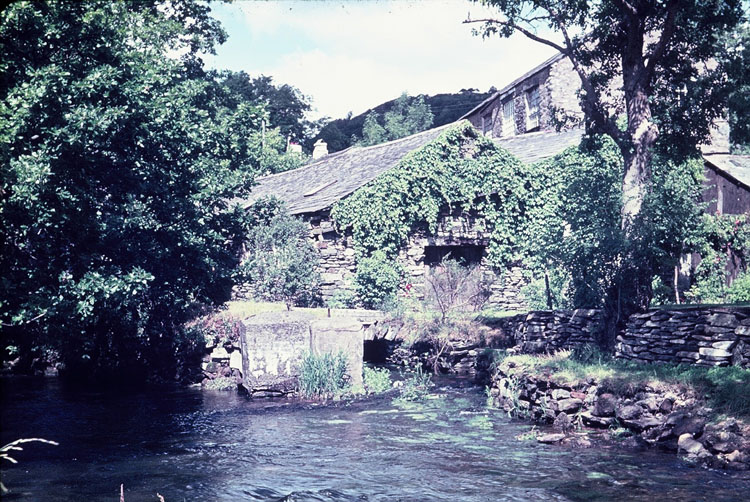
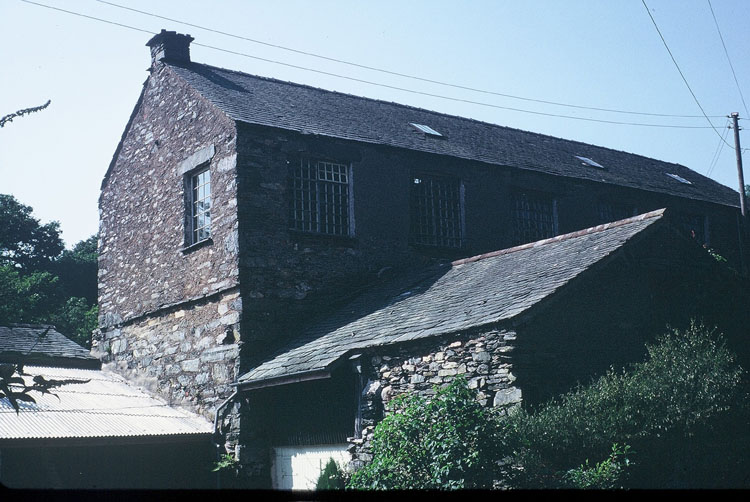
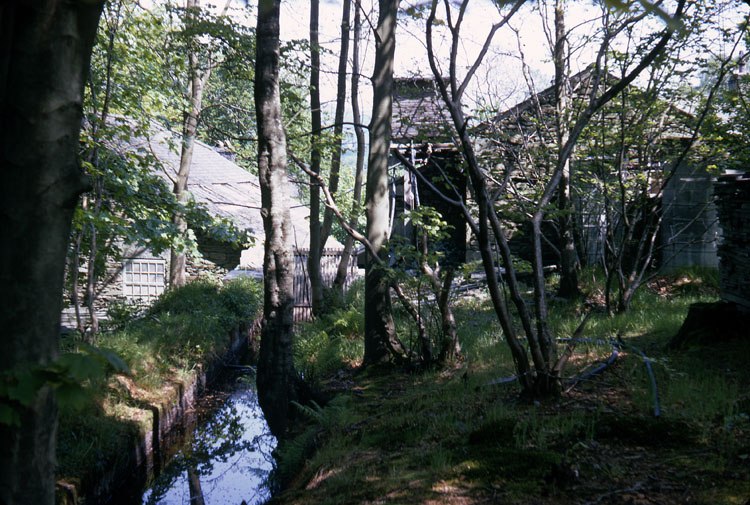
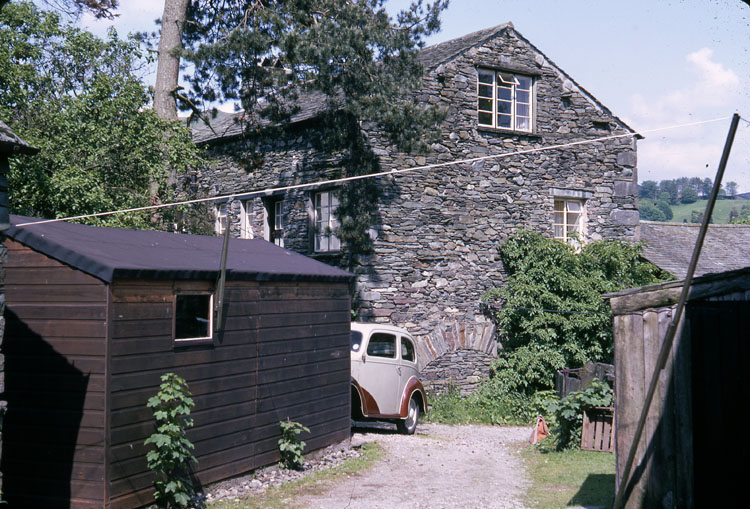
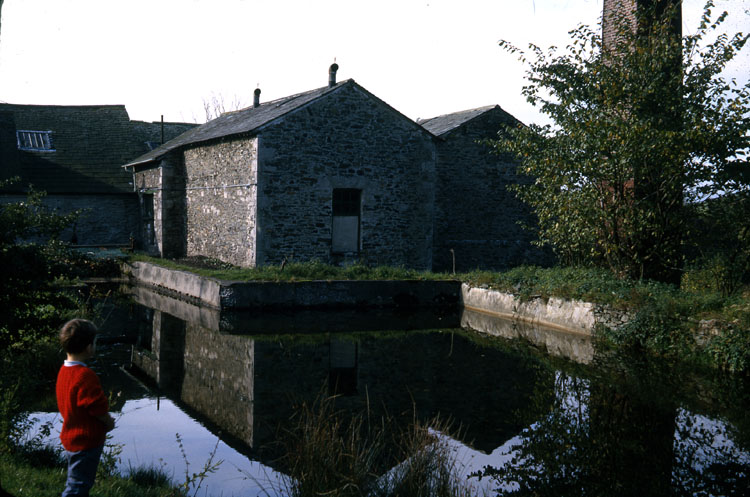
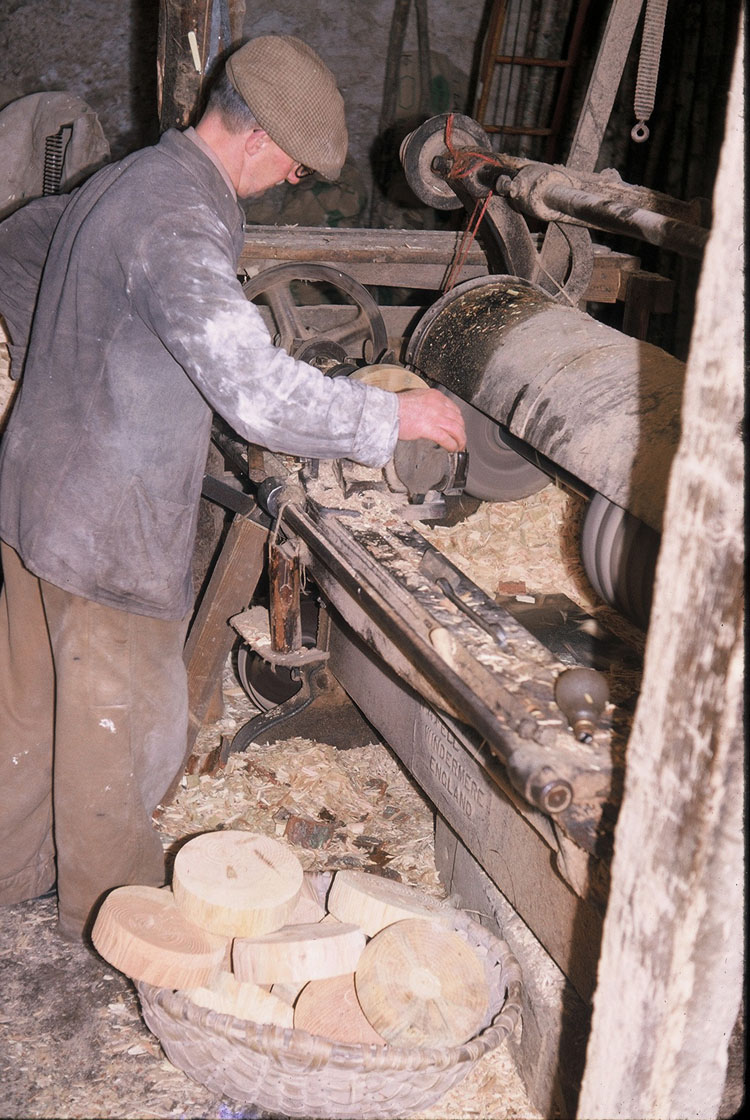
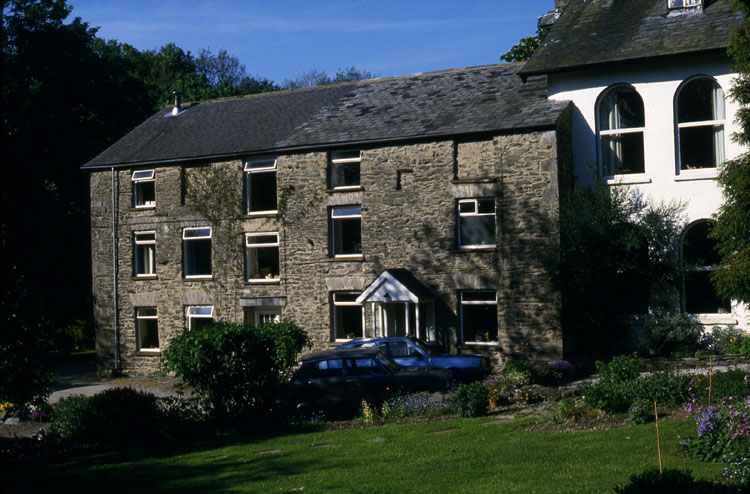
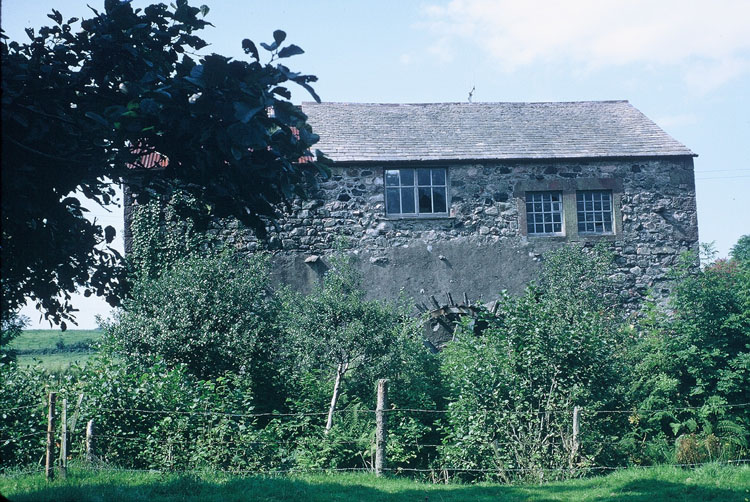
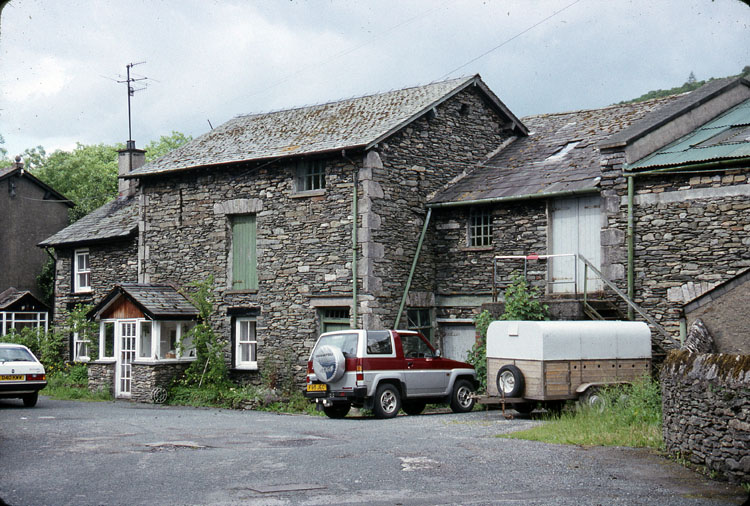
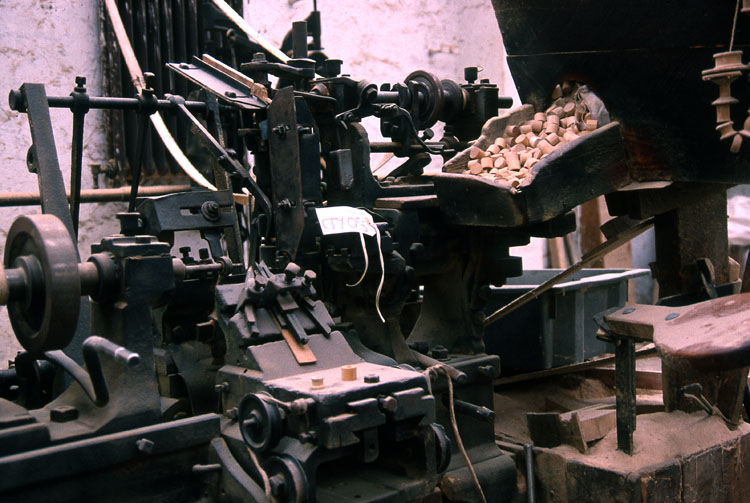
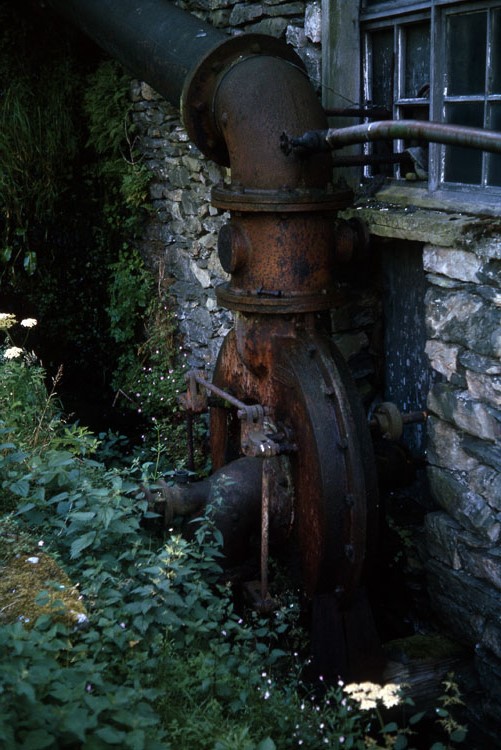
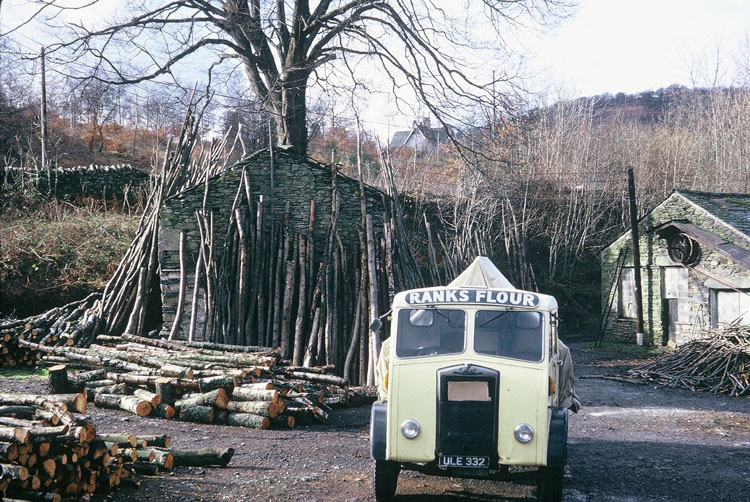
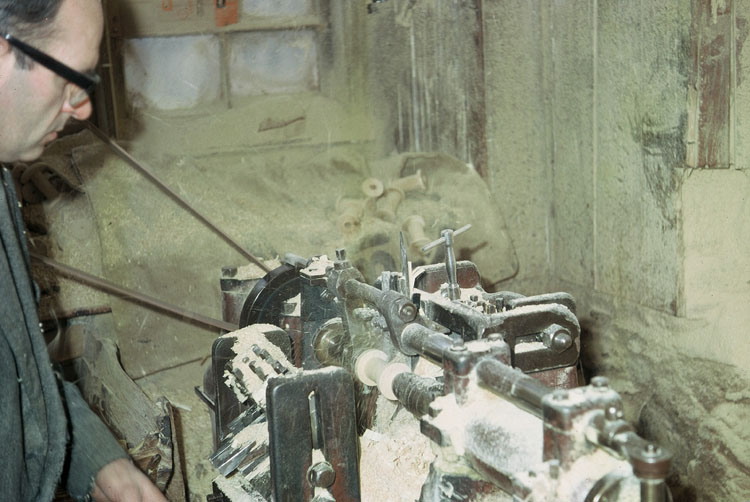
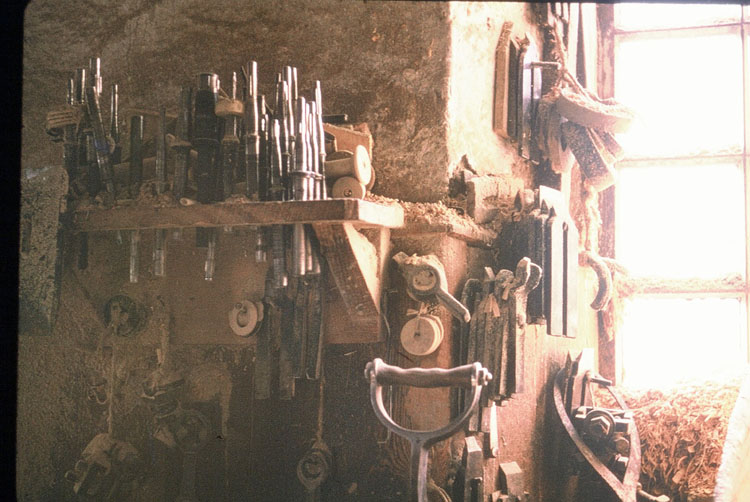
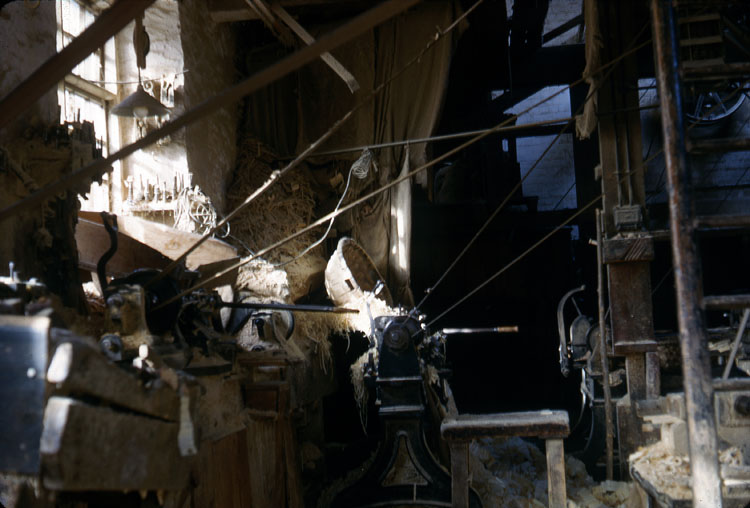
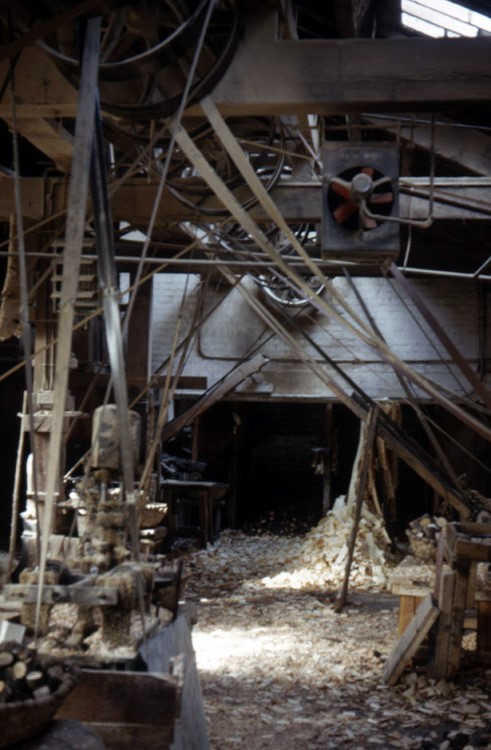
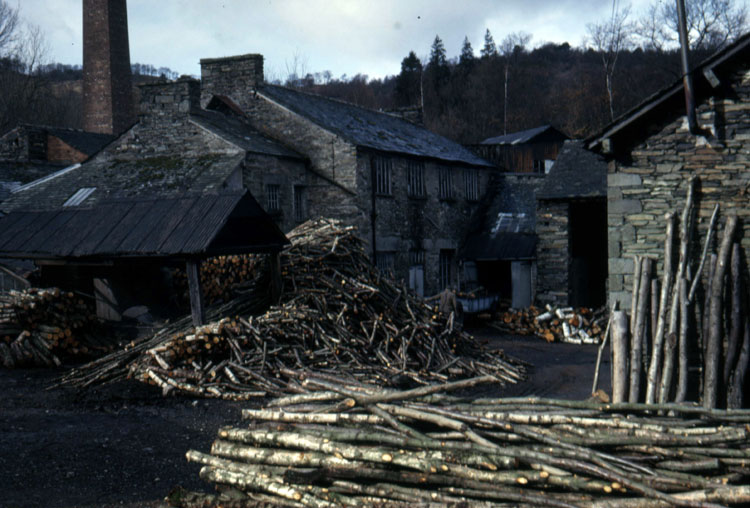
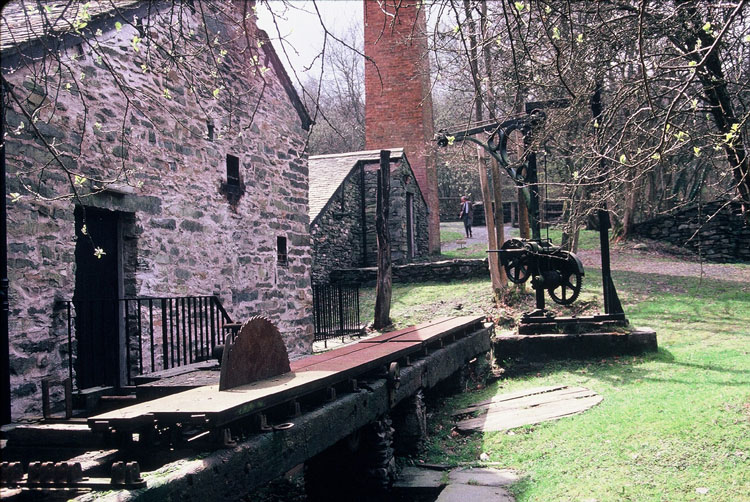
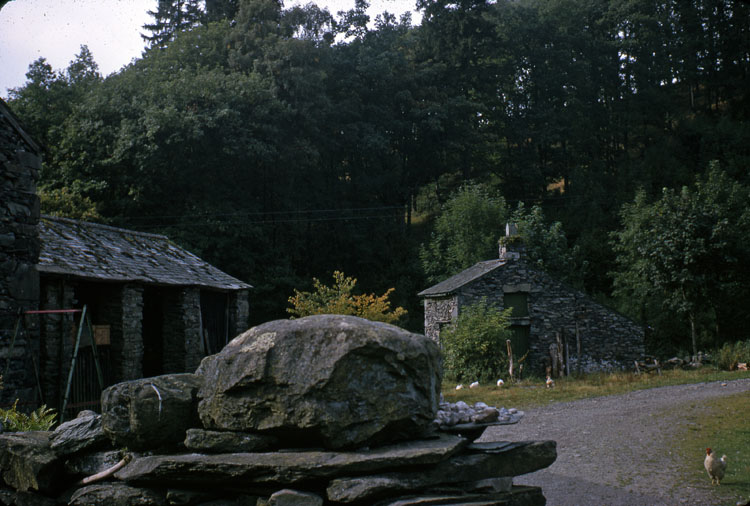
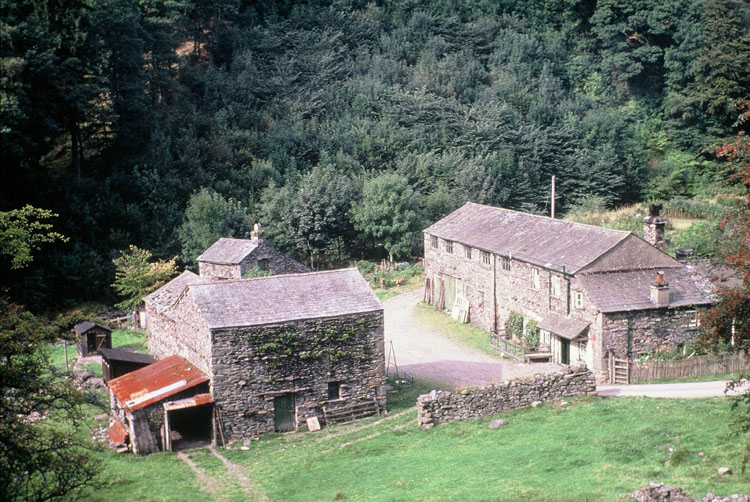
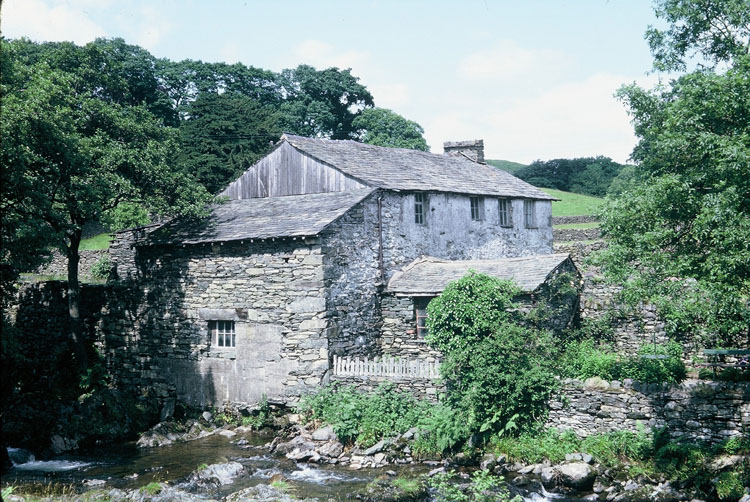
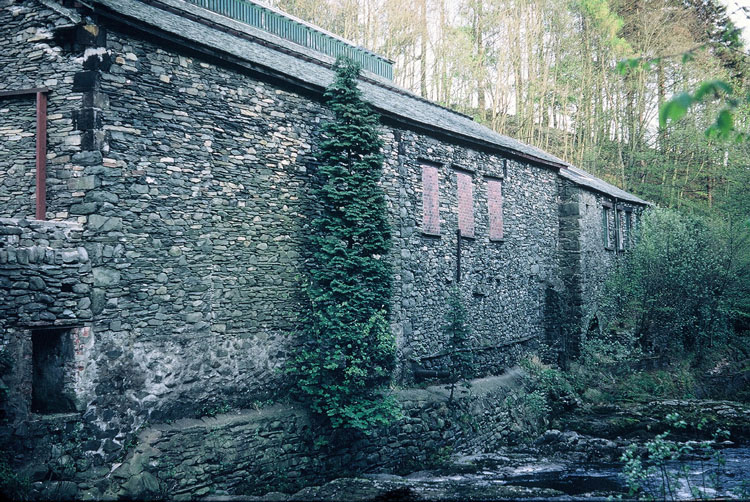
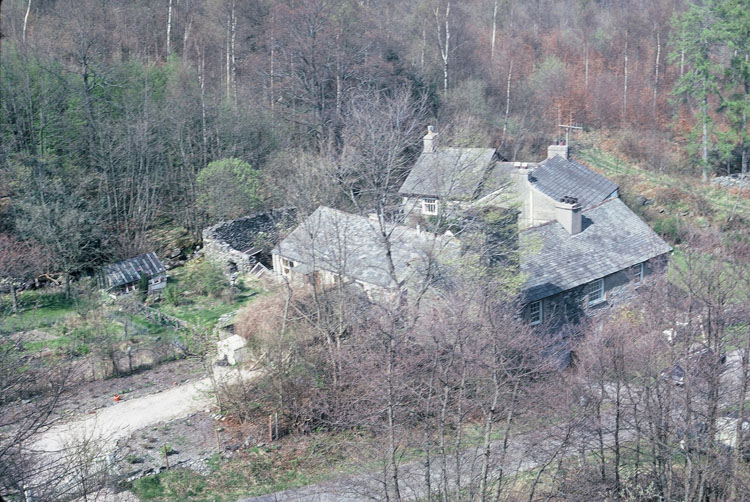
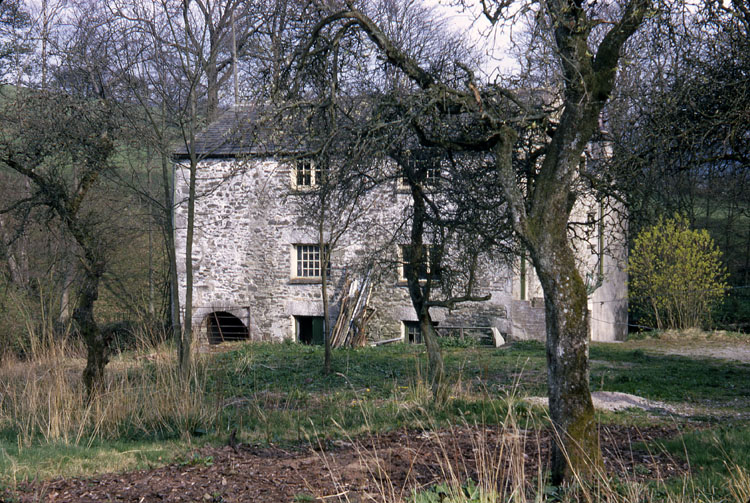
Here is a selection of photos taken by Mike Davies-Shiel. There are more on the Cumbria Archive Service website.
More information about the Rosside spade forge can be found on the enmoheritage website.

The Walna Scar Slate Trail

The Slate Trail.

(Page created by Roger Baker. Revised version 08/01/26)

The Walna Scar Quarries lie above and below the 1500ft contour in a remote location on the western slopes of the fell of that name, south-west of Coniston Old Man and Dow Crag. The earliest evidence of their workings on the silver-grey slate band is in 1757, but they would certainly have been active for many years before that, possibly back to the 1600s.

The slate was split and dressed on site before being taken on horse-drawn carts and sledges to the Duddon Estuary at Angerton, 13 miles away, where it could be stored and then loaded onto sailing ships for delivery to the customer. The company adopted existing farm tracks, packhorse routes and paths, and improved them by widening and banking up the trail, creating a firm surface, and making use of zig-zags to avoid the steeper parts.

The route can still be traced today, following bridleways and lanes. The ground is mostly firm underfoot, apart from some boggy ground near where the trail leaves the quarries, and a muddy section across fields between Wall End and Mireside near Broughton. It can be walked in either direction, but the photos below are a guide to the route taken by horse and cart from Angerton back to the quarry (mainly because they look better that way). They were taken over a couple of years to 2024, using different cameras and at different times of the year.

Click on The Walna Scar Quarries Trail for an outline guide to the route – you will still need a map – but I hope it is enough to inspire you to trace the route yourself one day. The photos give you a taste of what can be seen along the way.

Braithwaite, Thornthwaite and Wythop

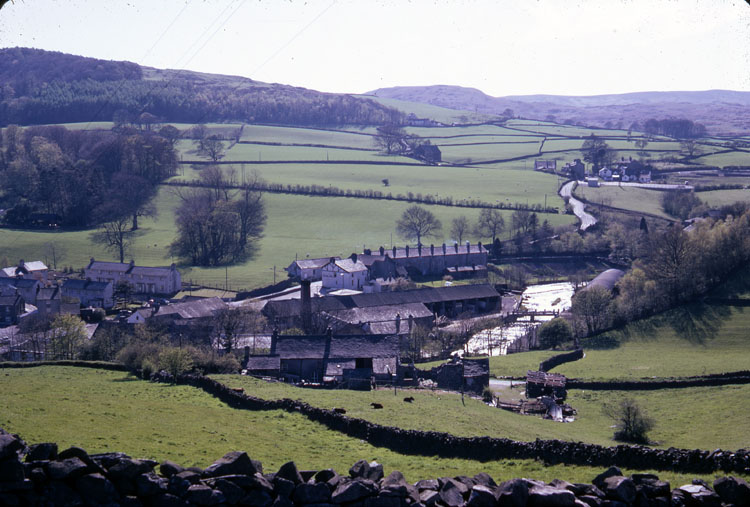
Here are a few photos related to the industrial history of these two villages on the edge of the Derwent Fells to the north-west of Keswick, with a selection showing the remains of the silica brickworks above Beck Wythop.

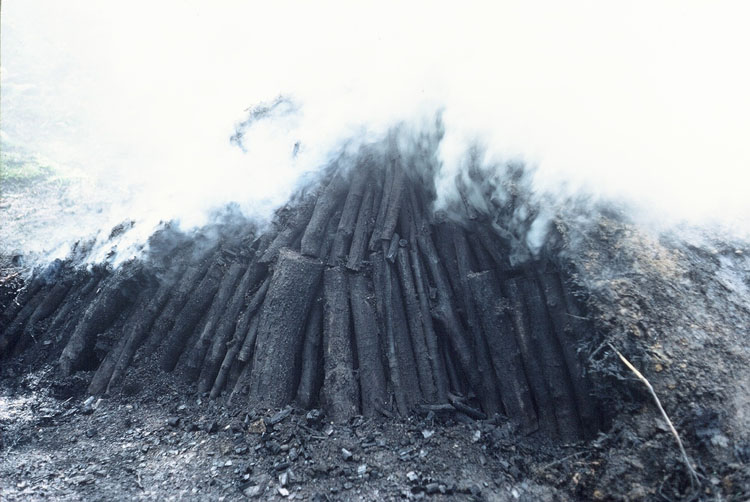
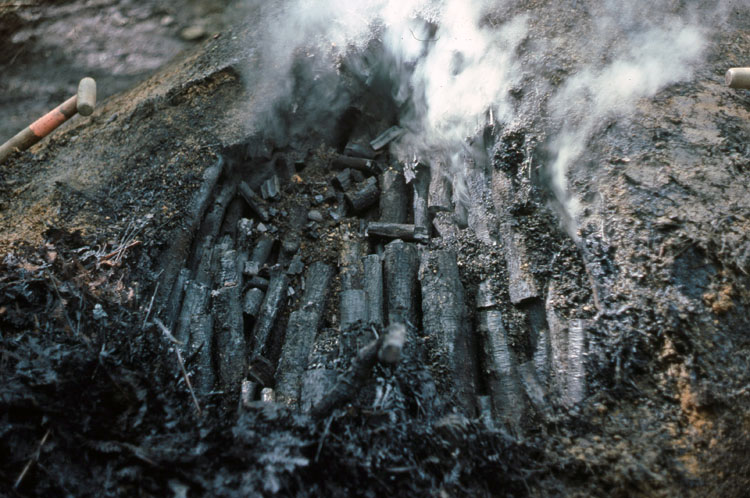
Charcoal burn

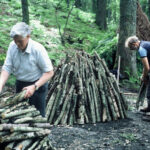
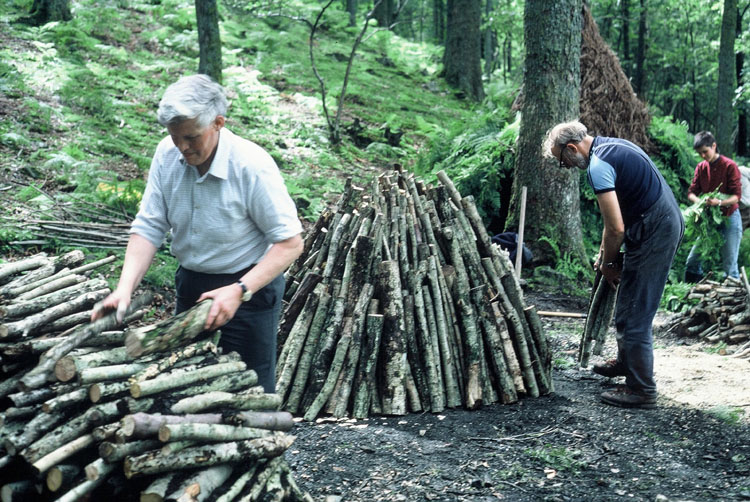
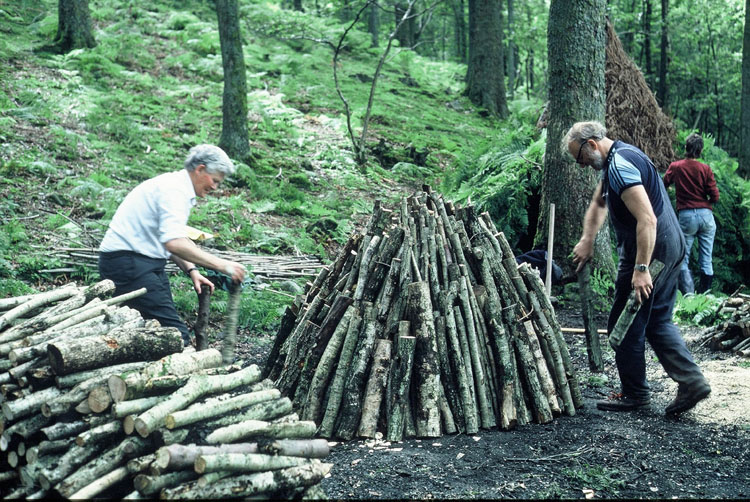
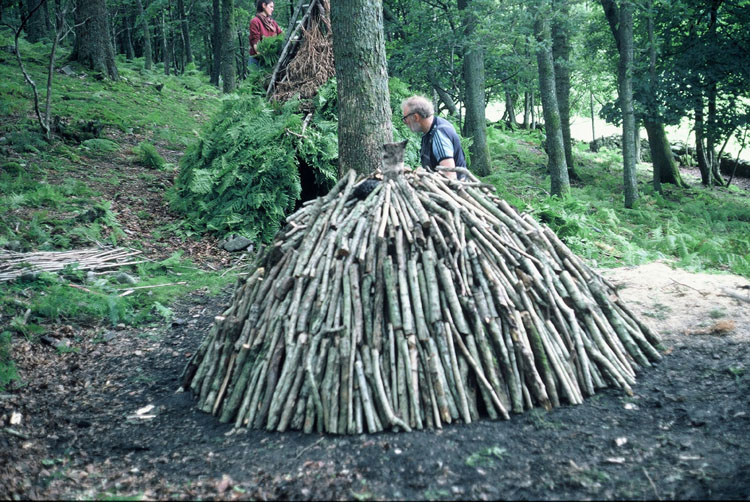
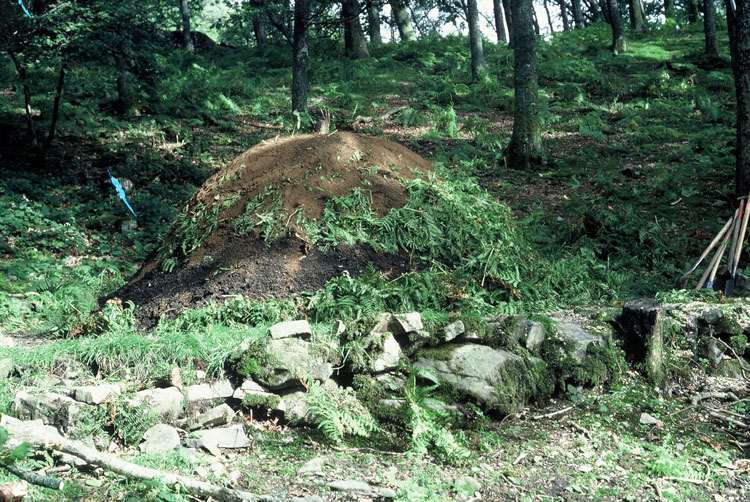
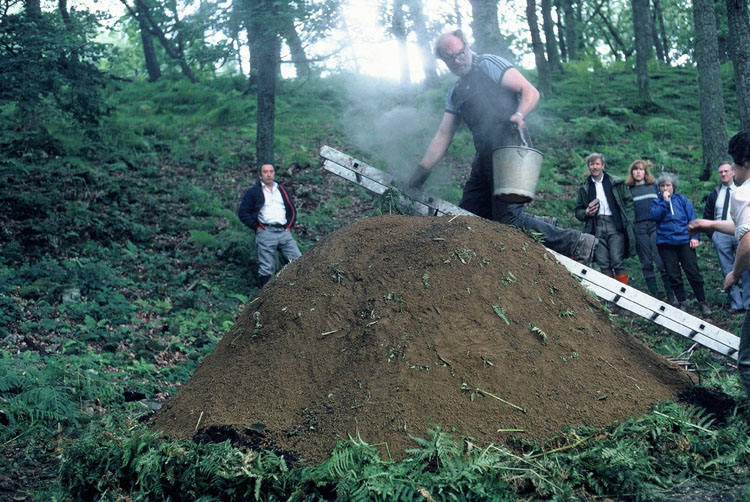
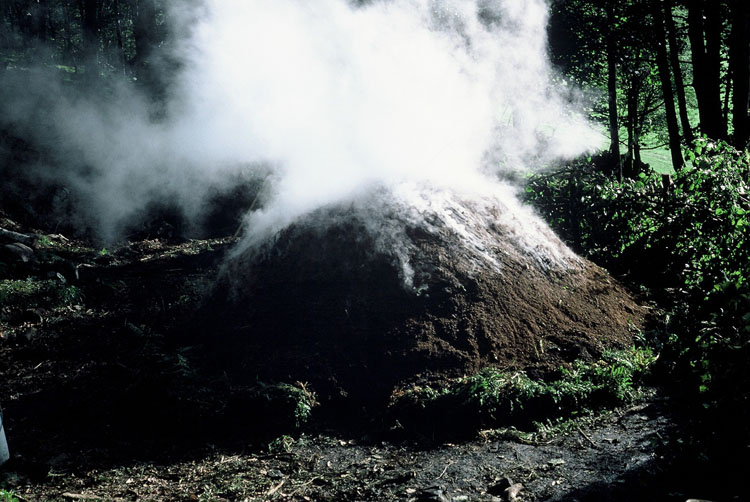
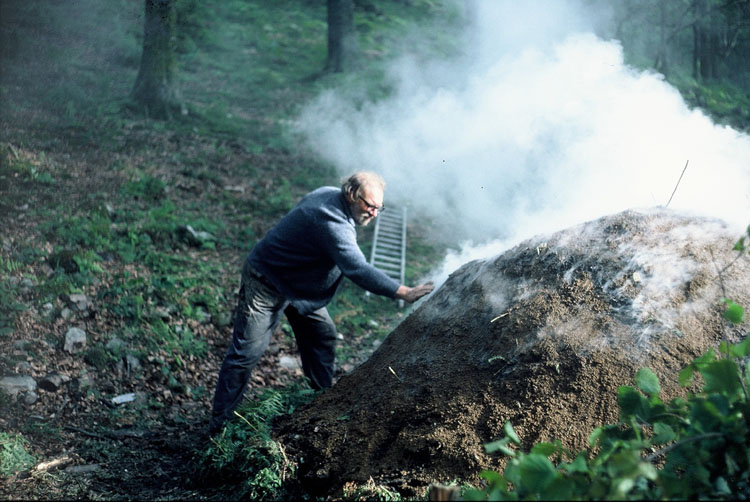
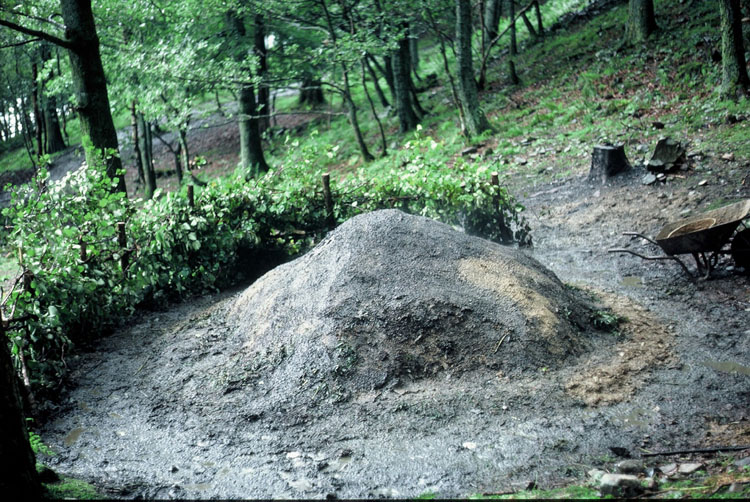
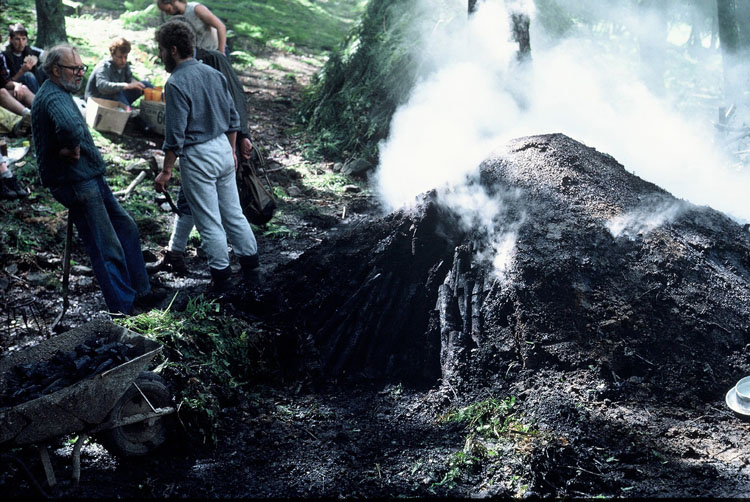
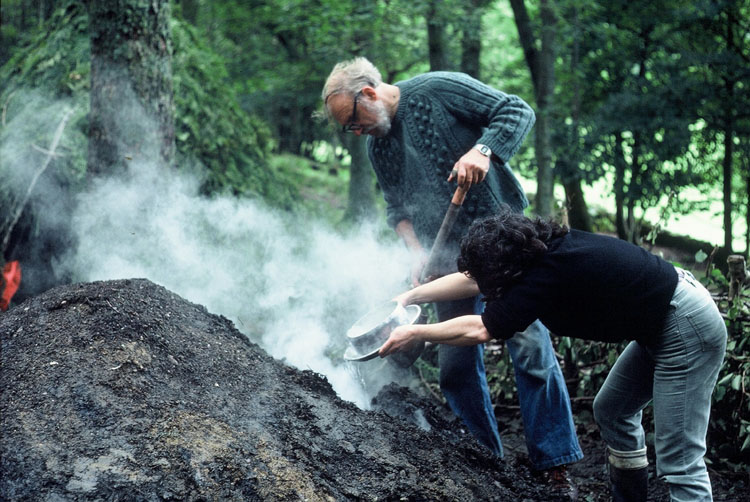
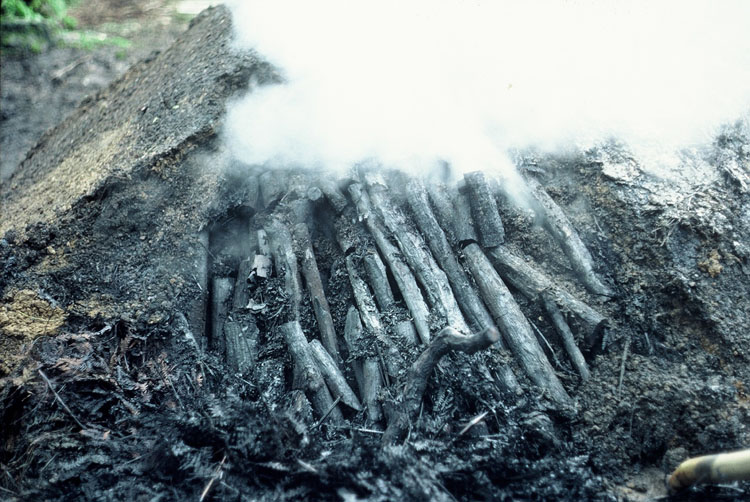
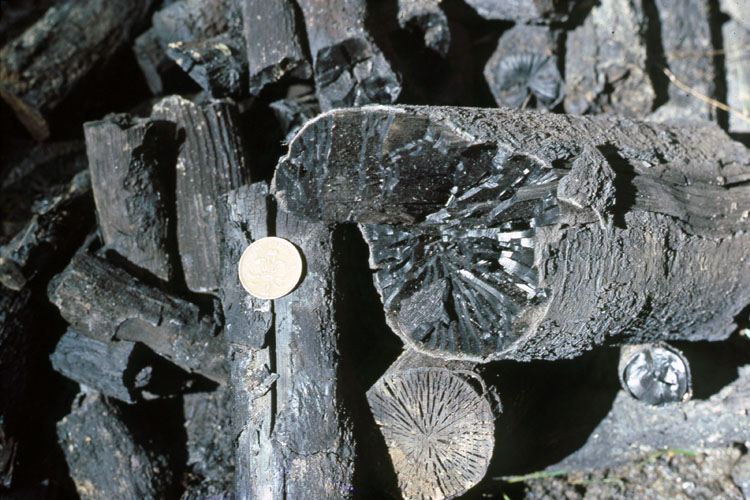
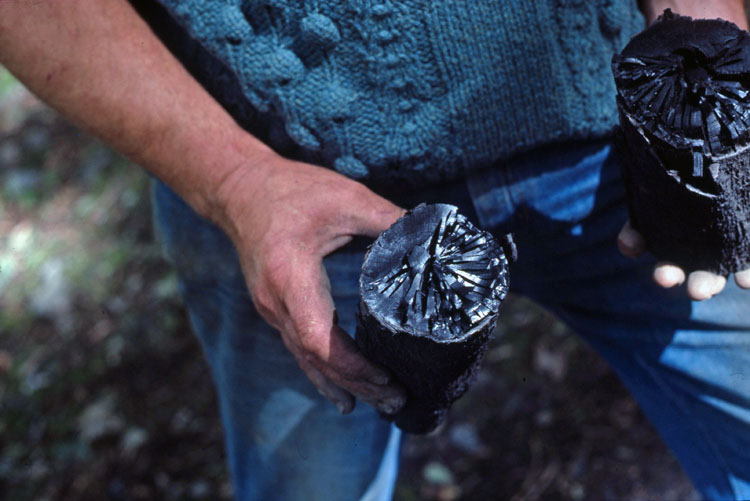
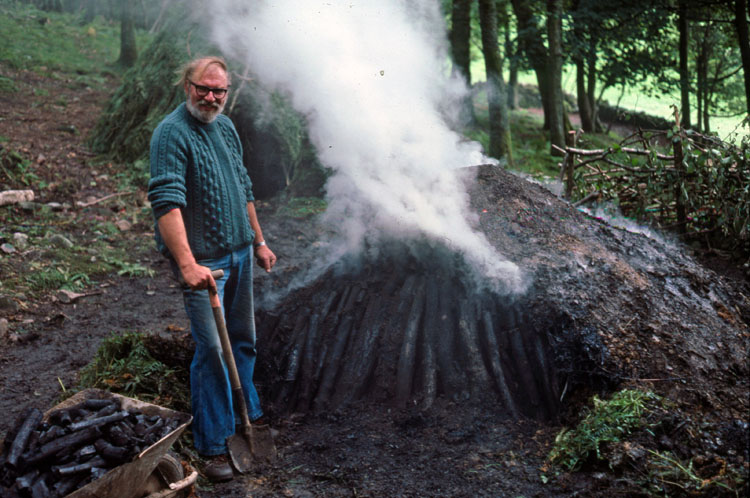
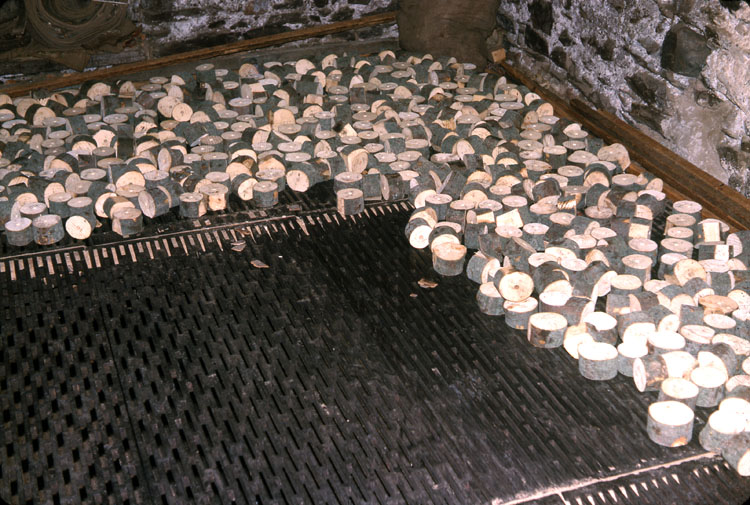
These are a selection of the  photos taken by Mike Davies-Shiel of a charcoal burn at Brantwood near Coniston in August 1985.
There are many others relating to charcoal on the Cumbria Archive Service website.
For more about charcoal visit the Woodland Industries page.

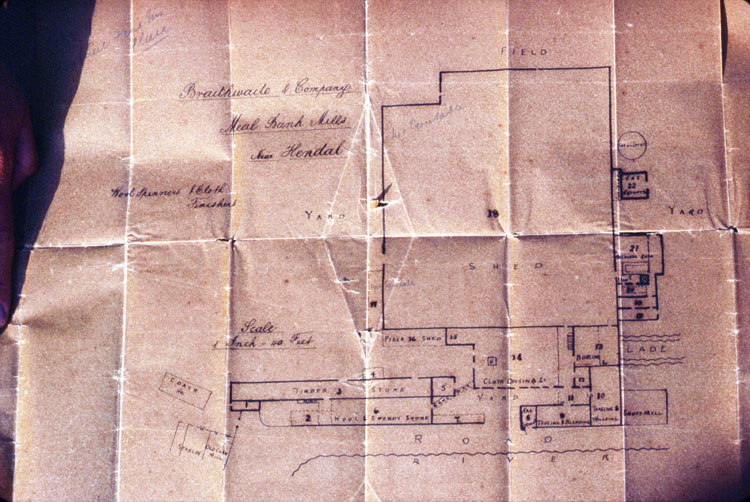
Mealbank

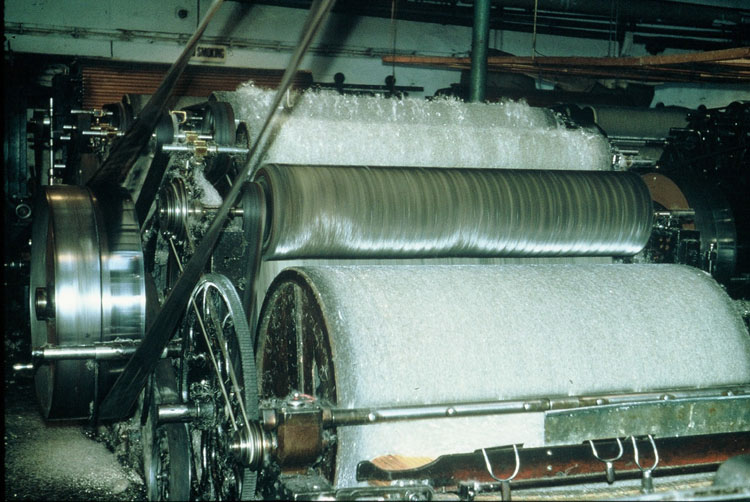
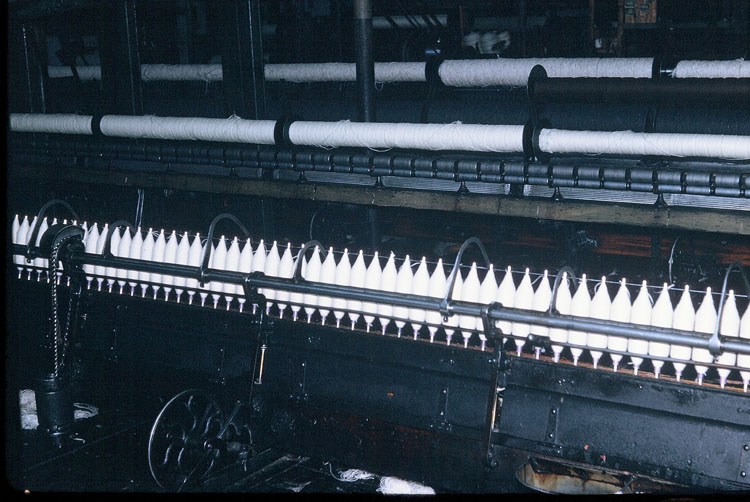
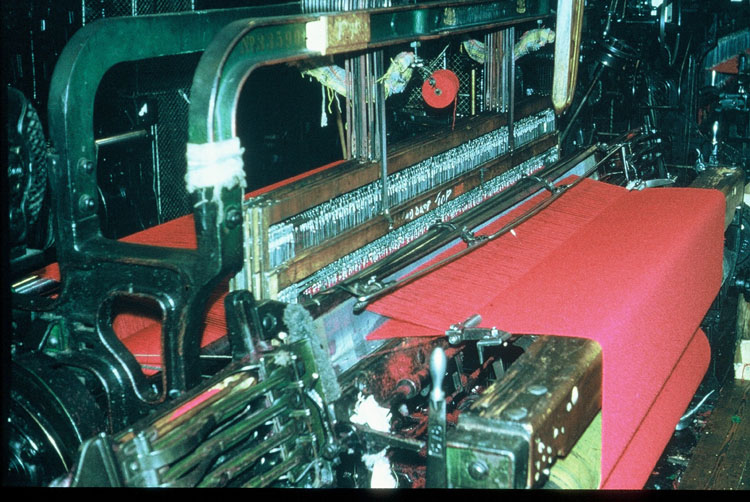
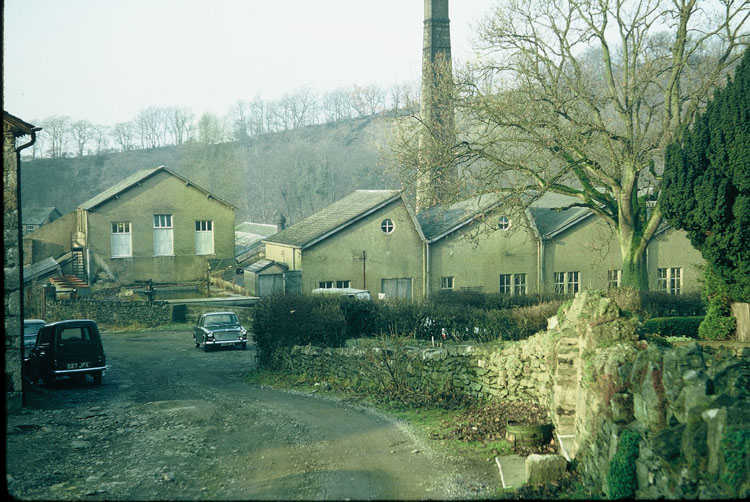
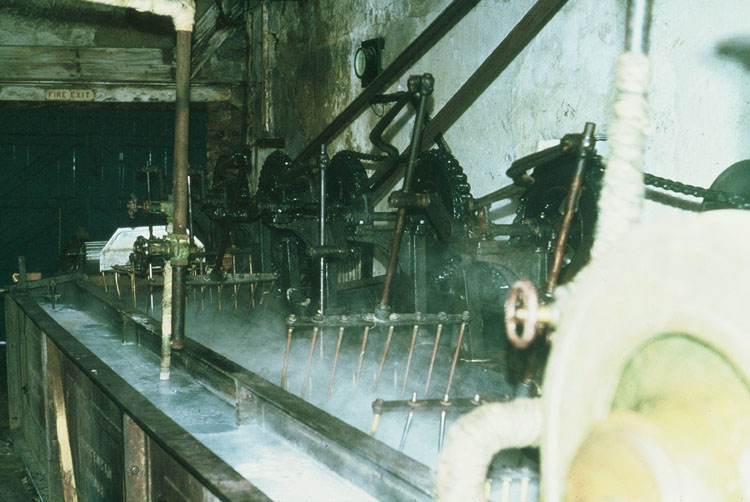
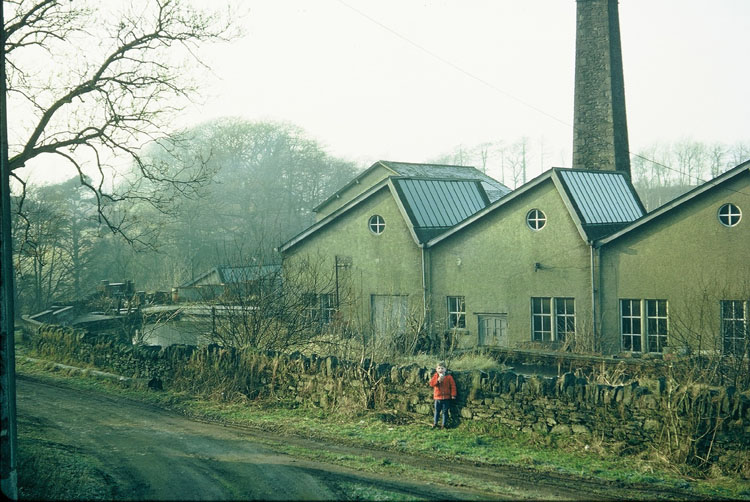
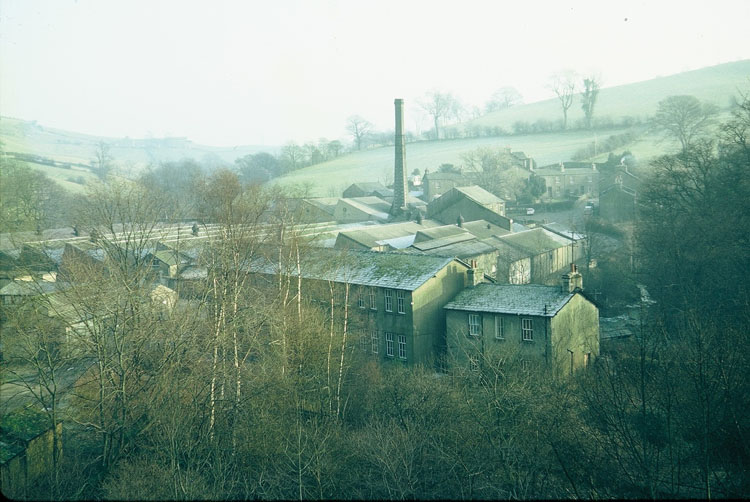
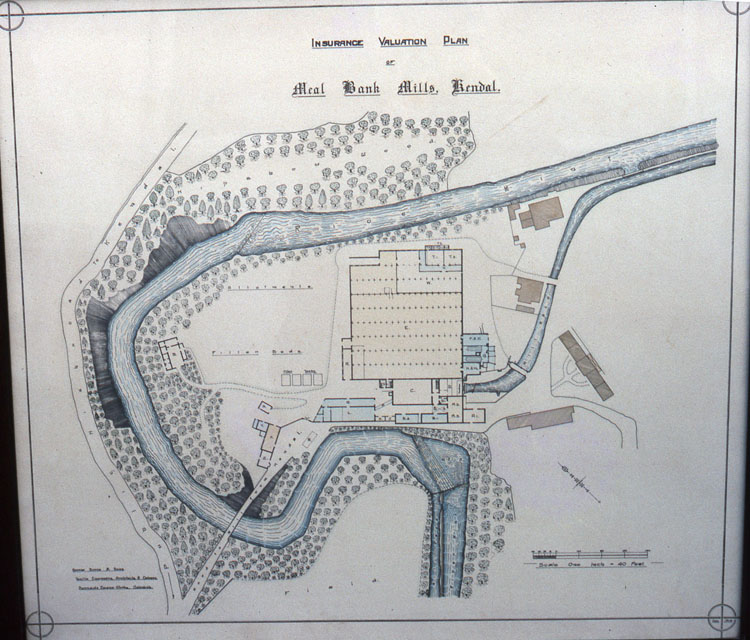
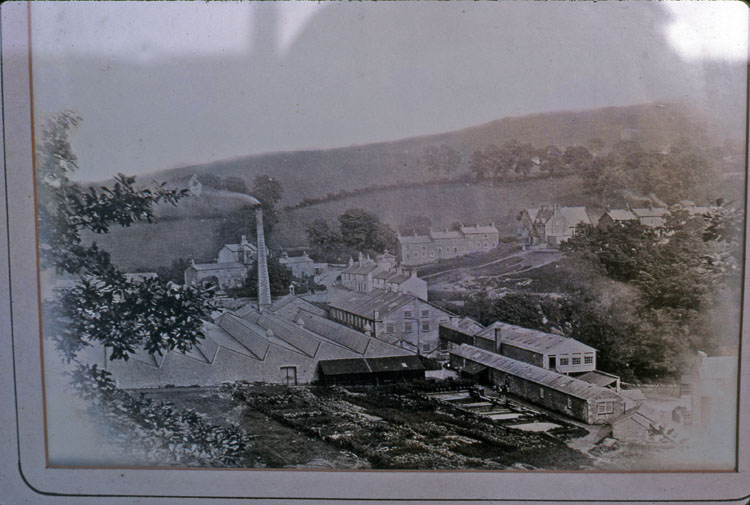
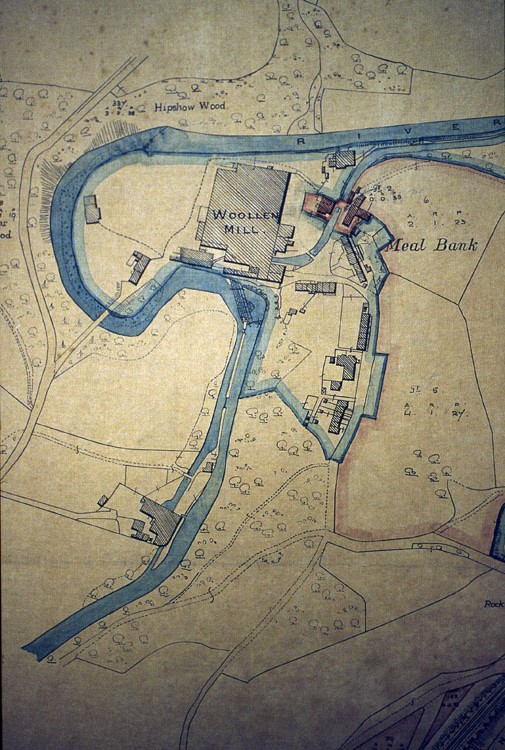
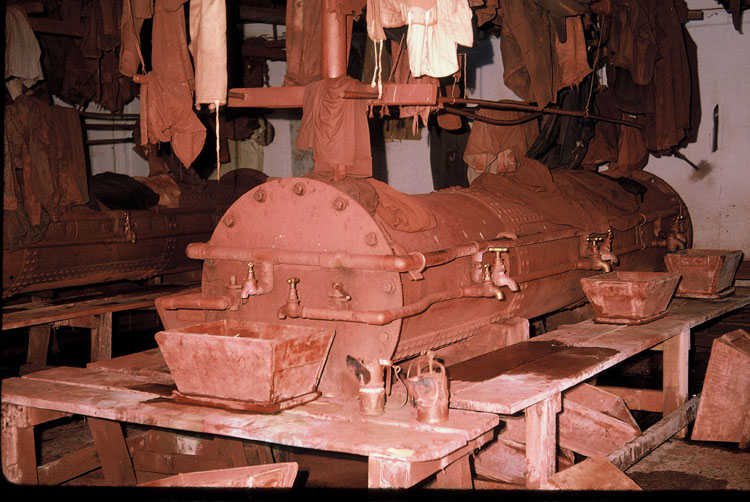
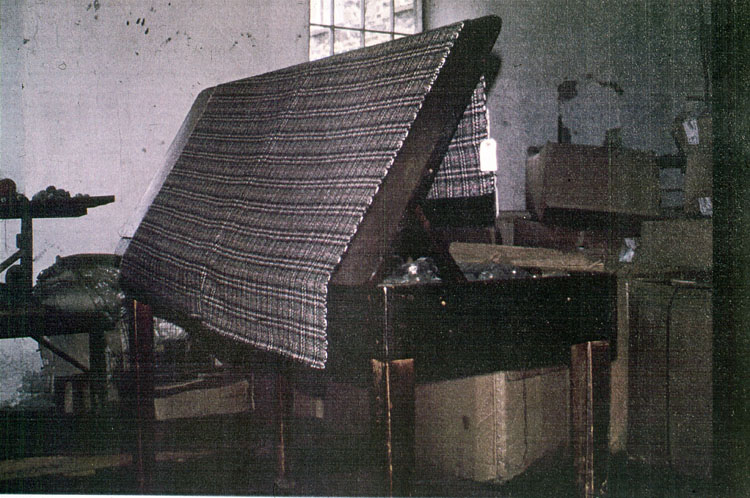
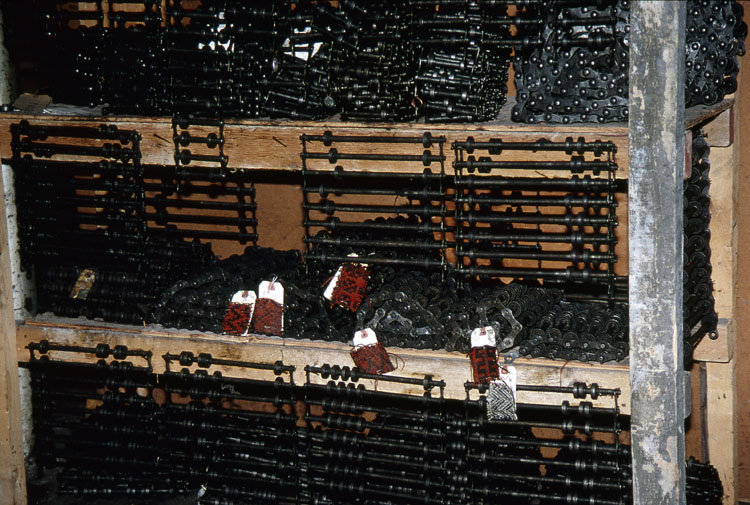
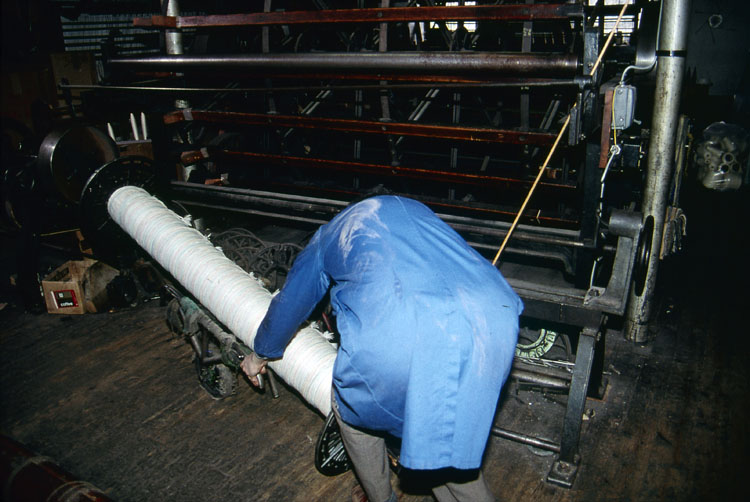
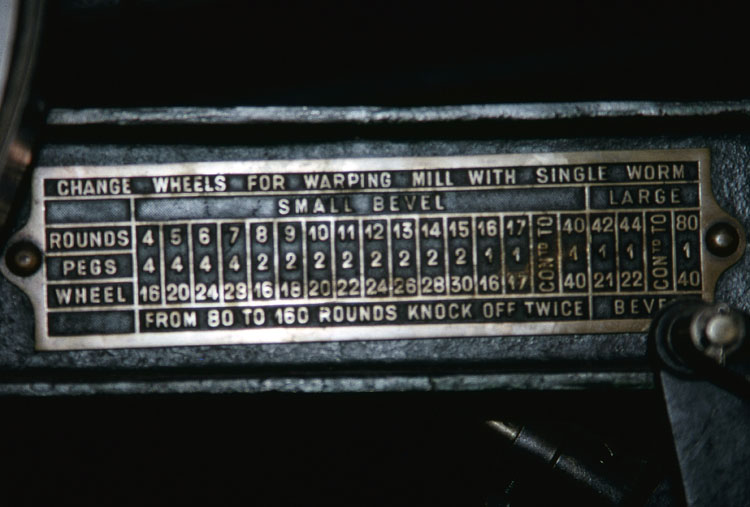
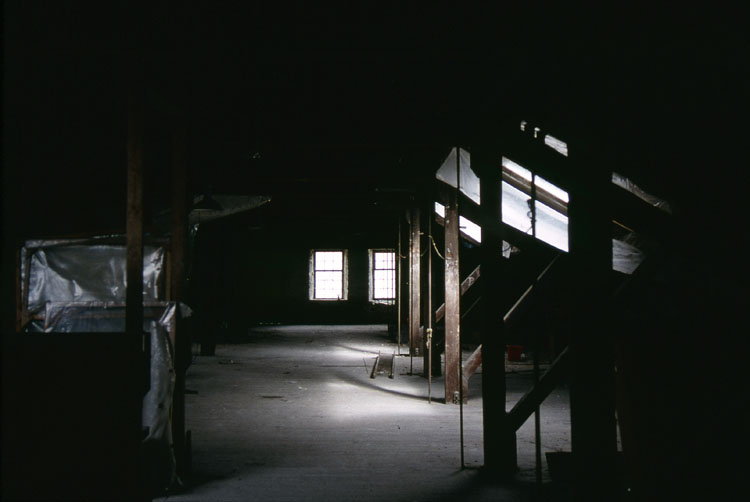
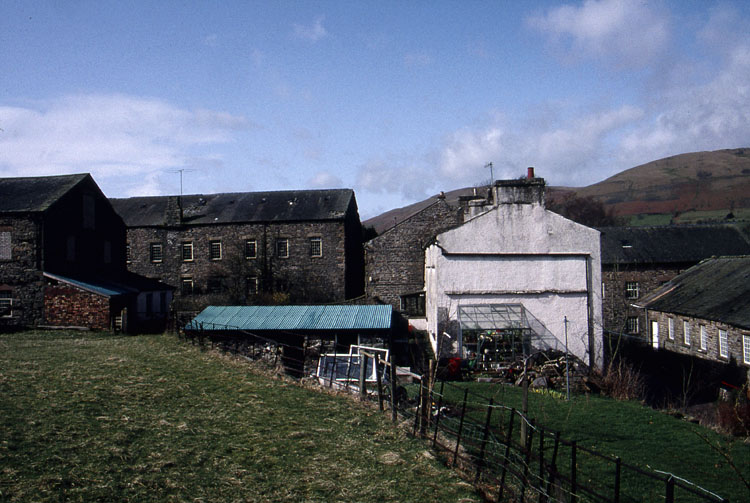
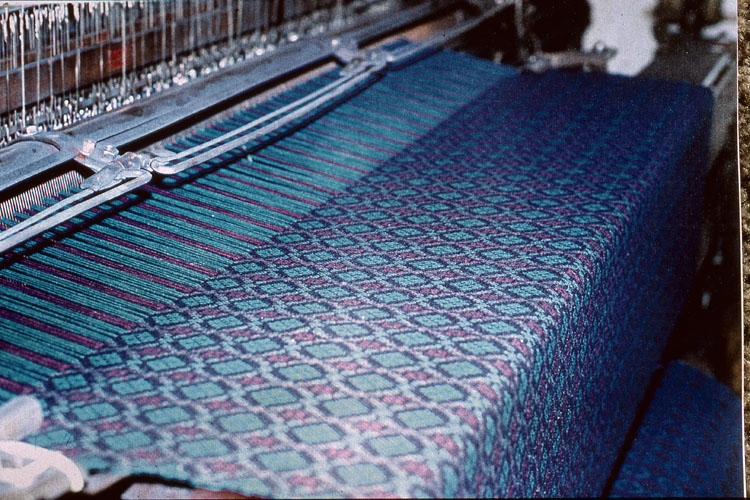
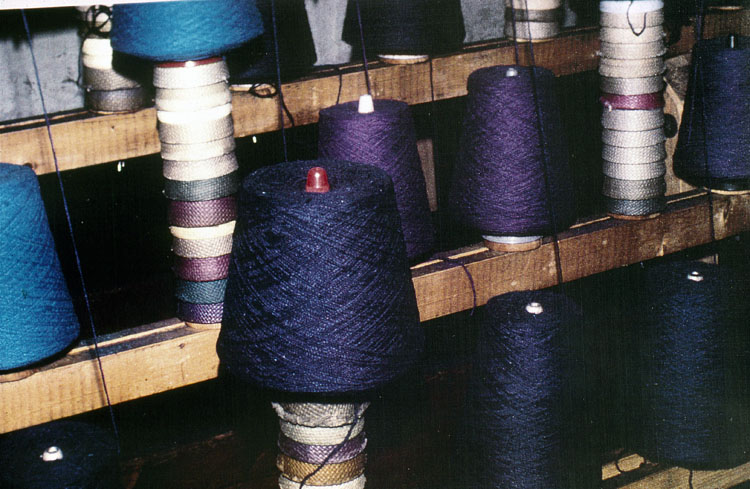
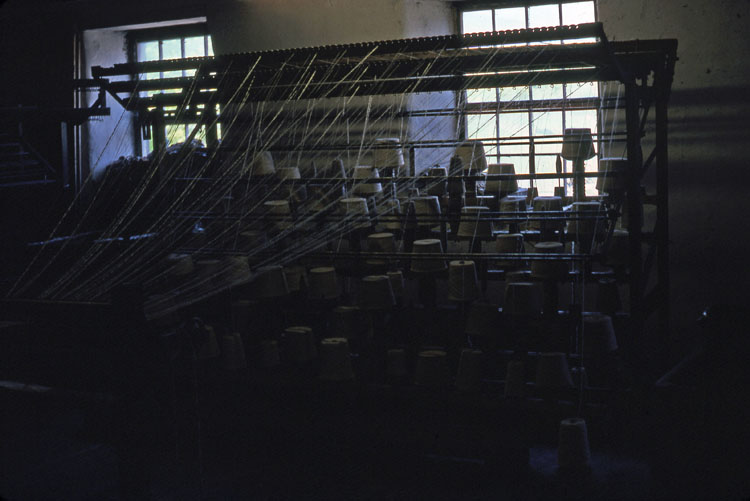
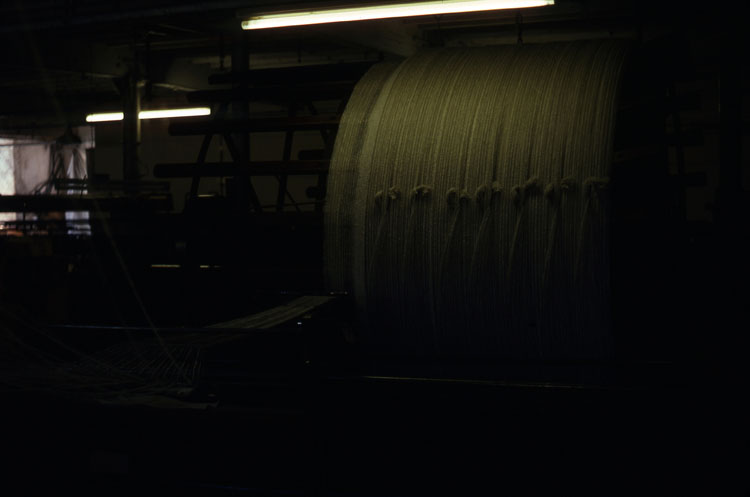
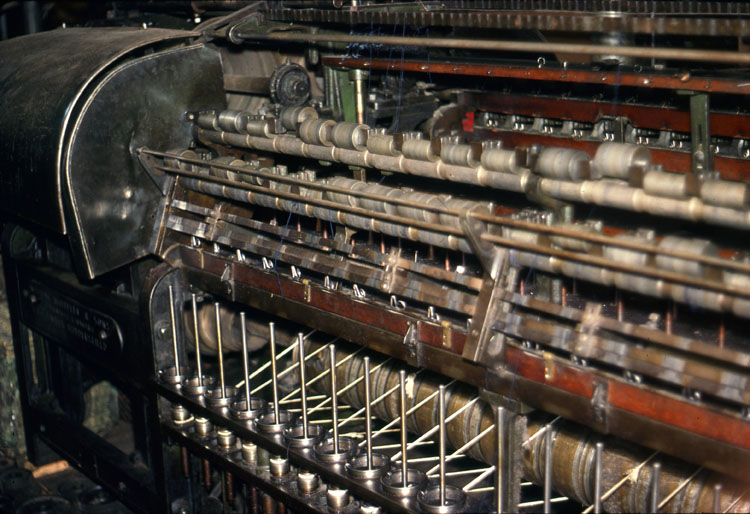
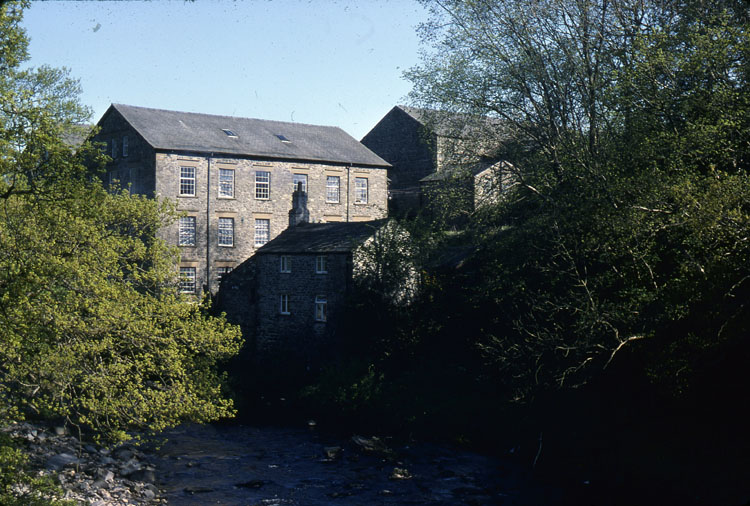
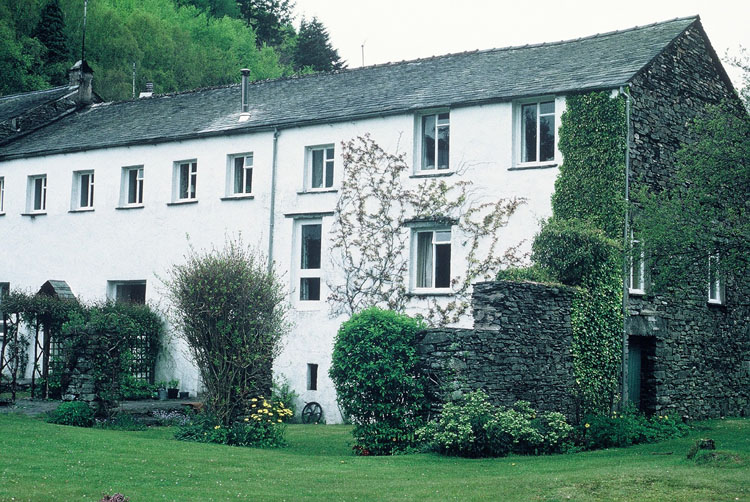
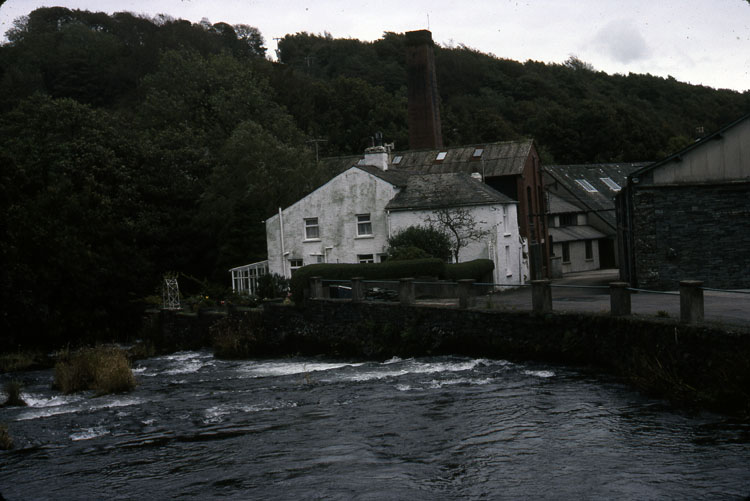
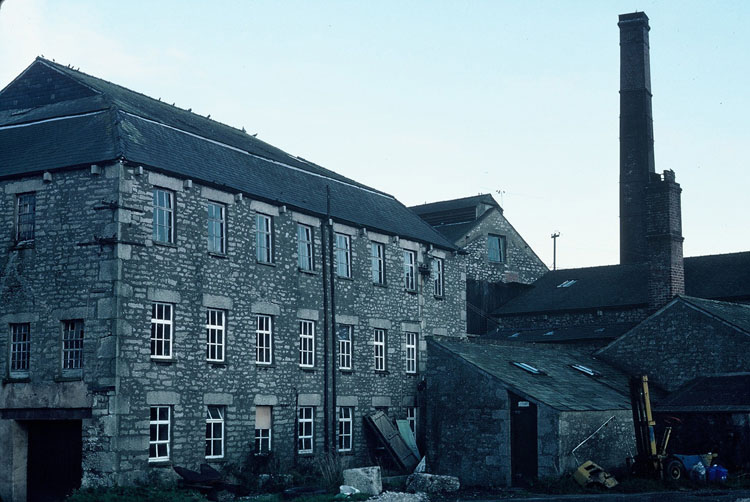
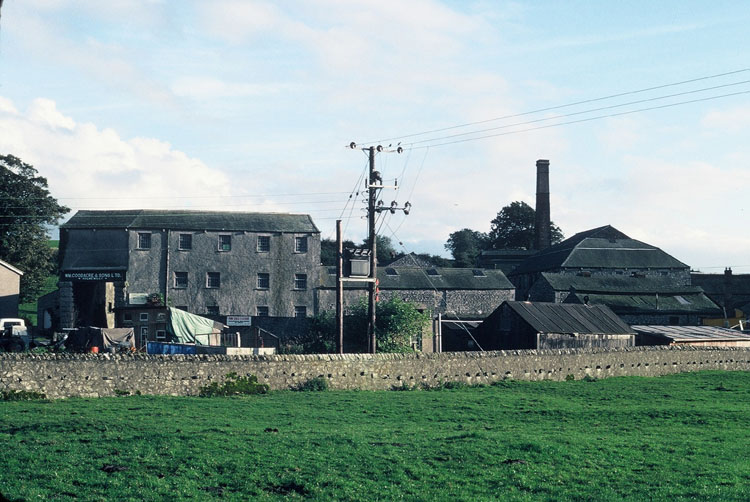
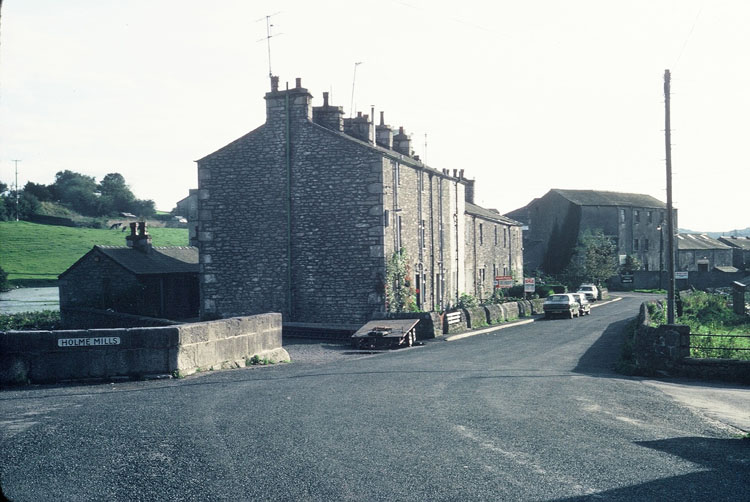
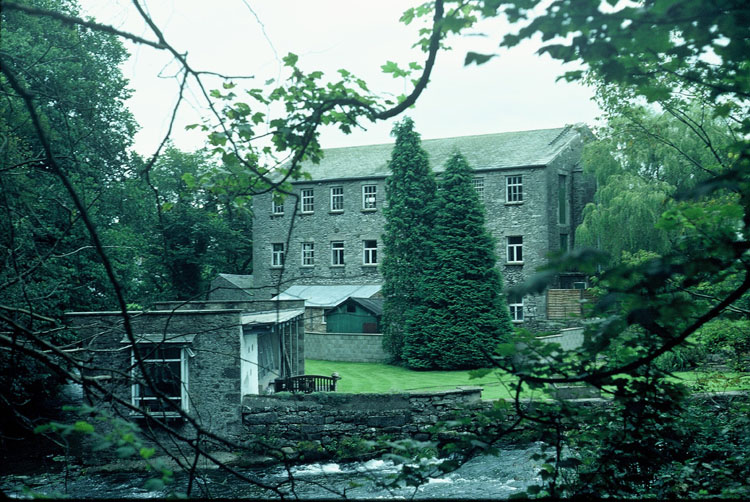
Mealbank is on the River Mint, 2.5 miles north-east of Kendal. Developed by the family firm of Braithwaite after 1834, the general site having been used for woollen, snuff and corn mills some time before 1767. More than 350 people employed here in the late 19th century in a fully integrated mill with machinery for preparation, spinning and weaving.
The industrial archaeology of the Lake Counties : M Davies-Shiel & J D Marshall, David & Charles, 1969
Here is a selection of photos from the Mike Davies-Shiel collection, all of which can be seen on the Cumbria Archive Service’s website. Most are his originals, some of them his copies of older items.

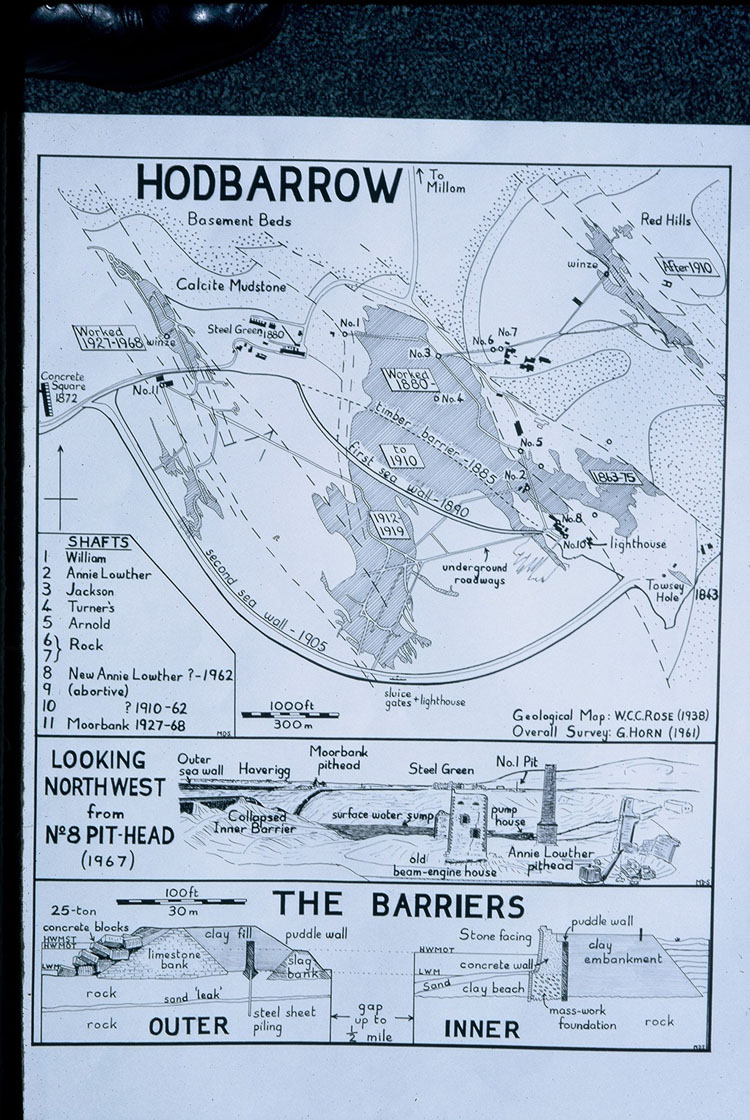
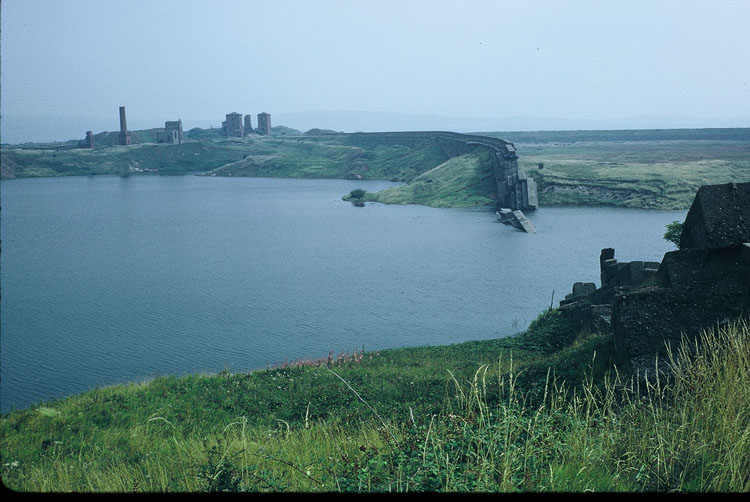
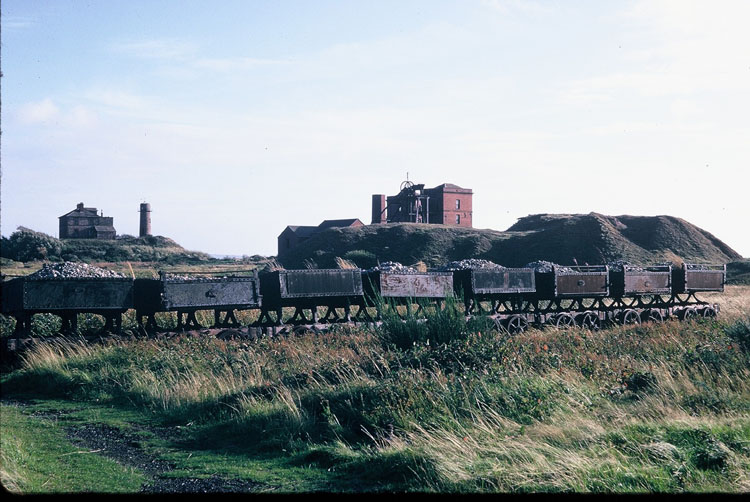
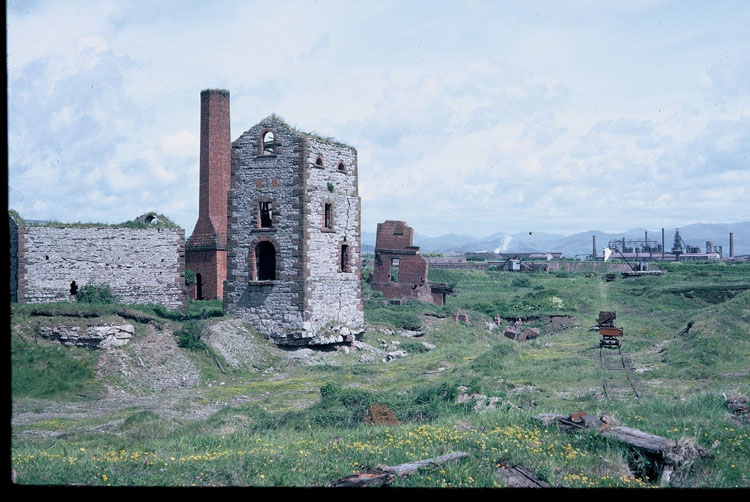
Hodbarrow Mines

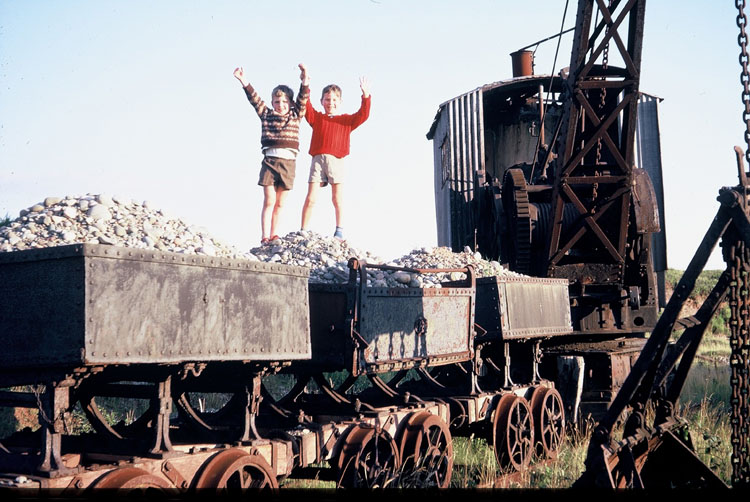
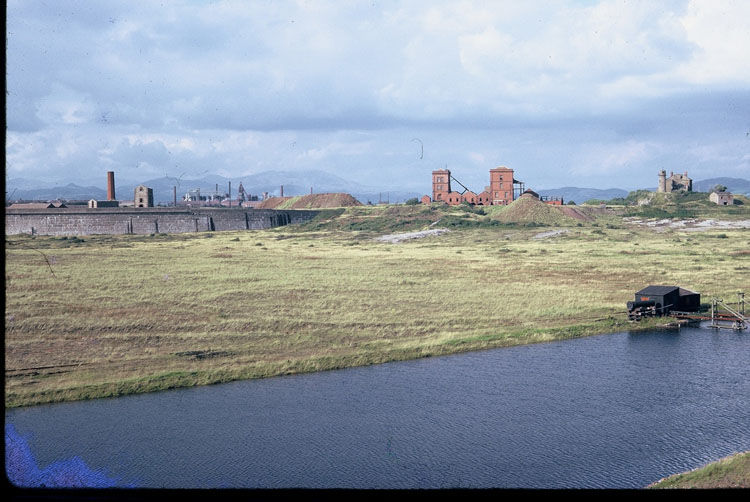
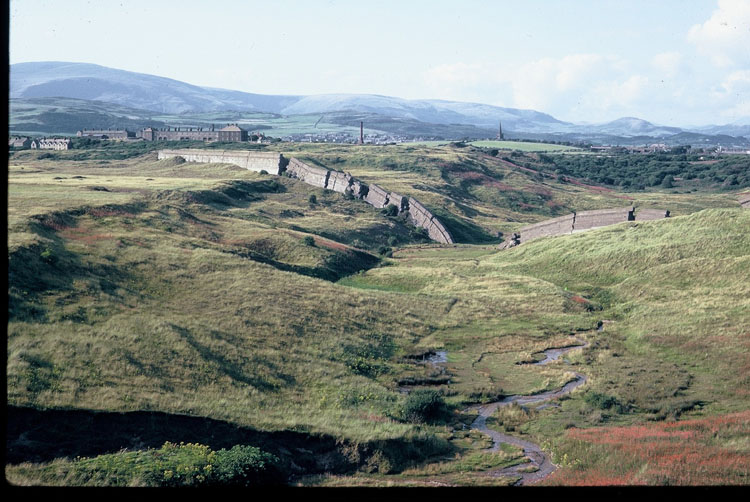
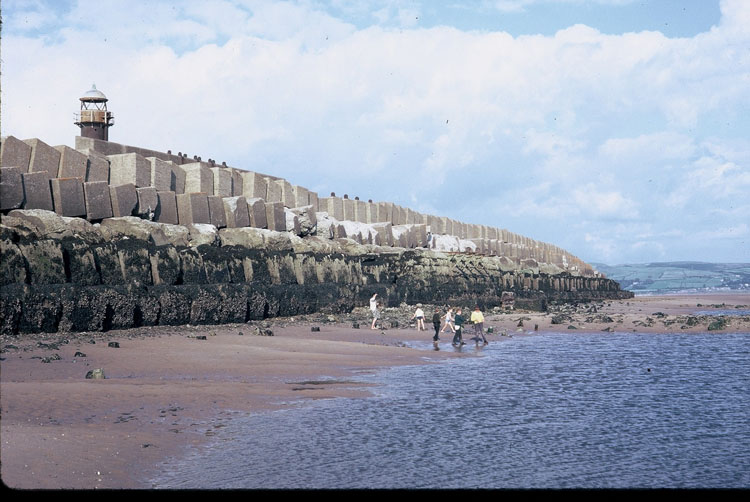
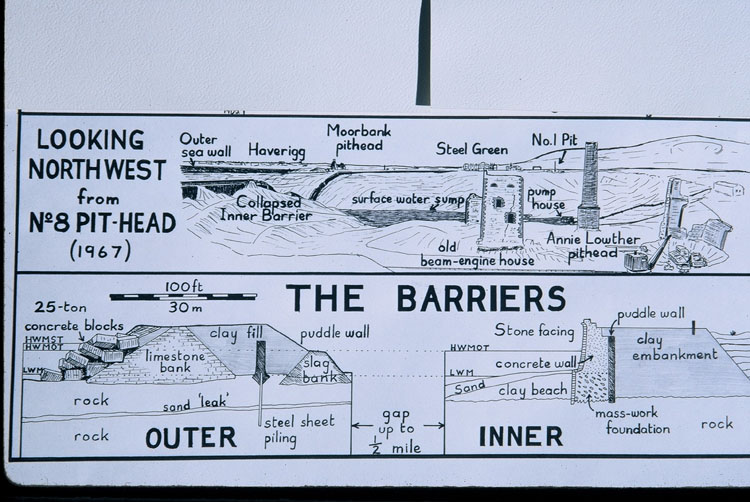
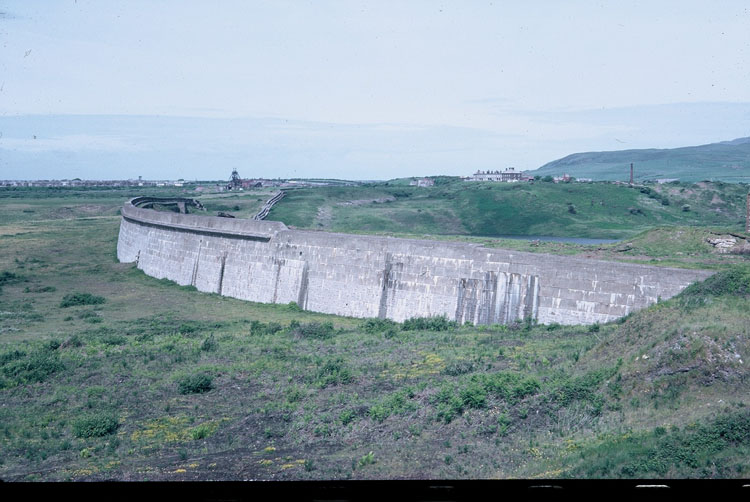
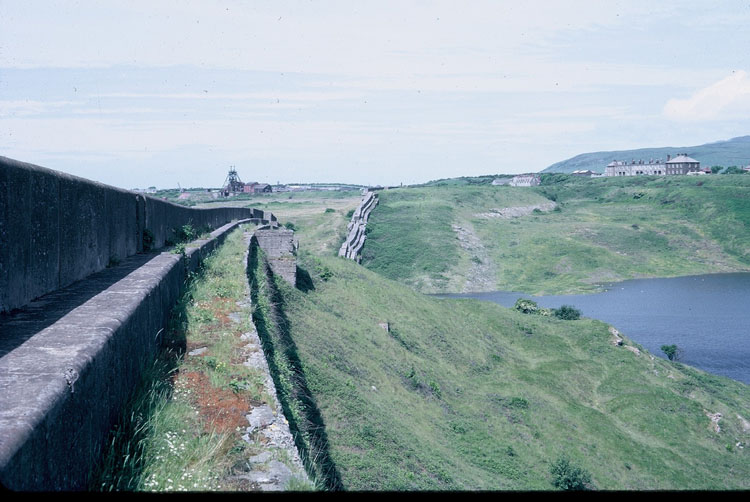
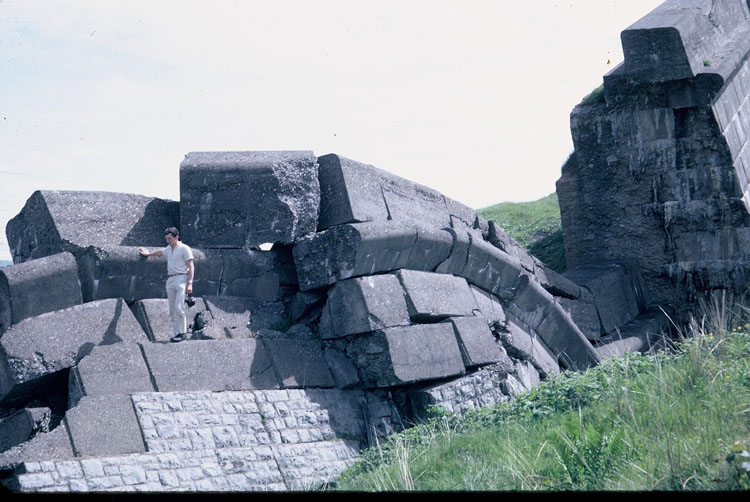
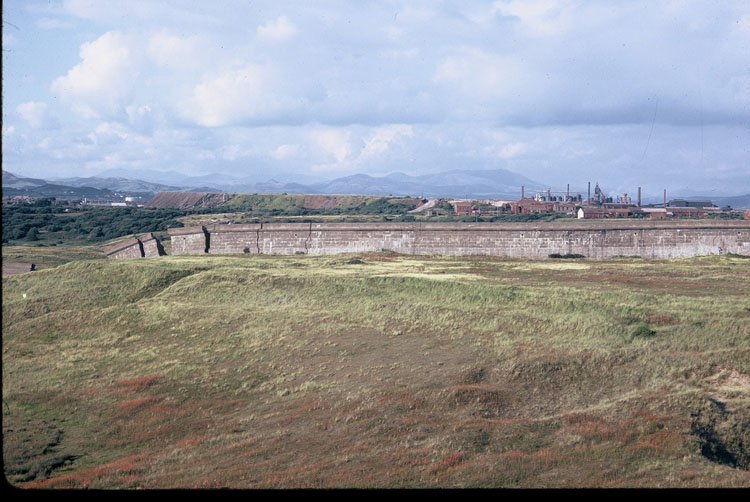
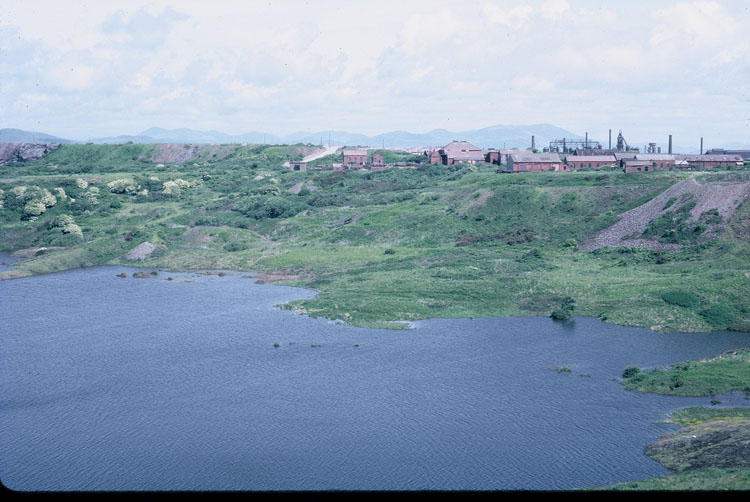
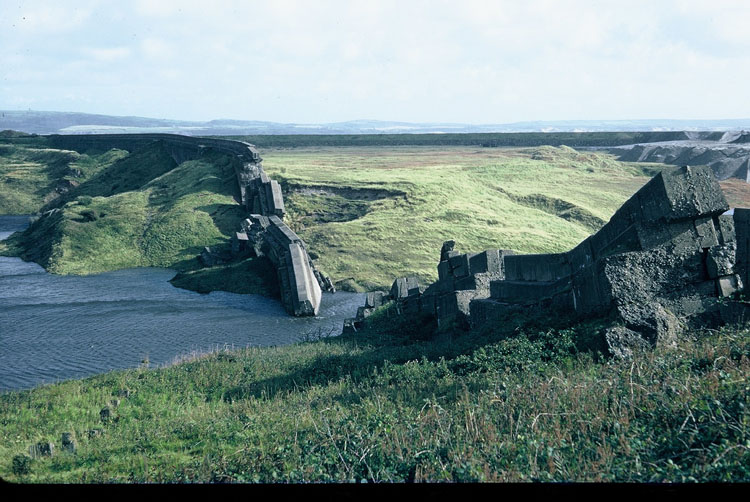
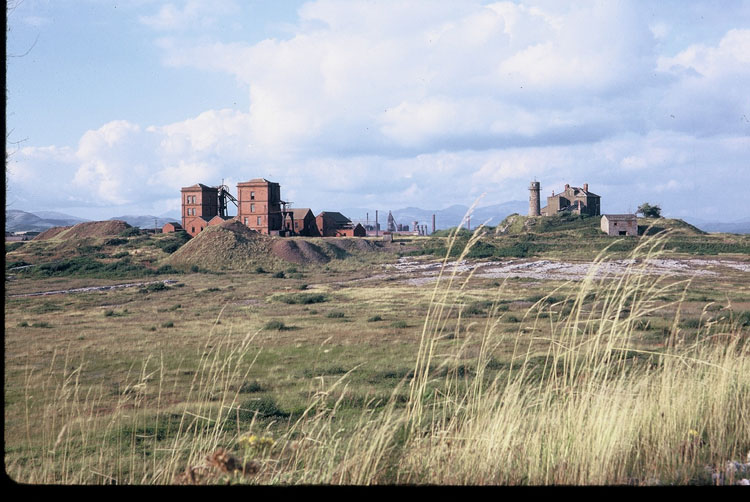
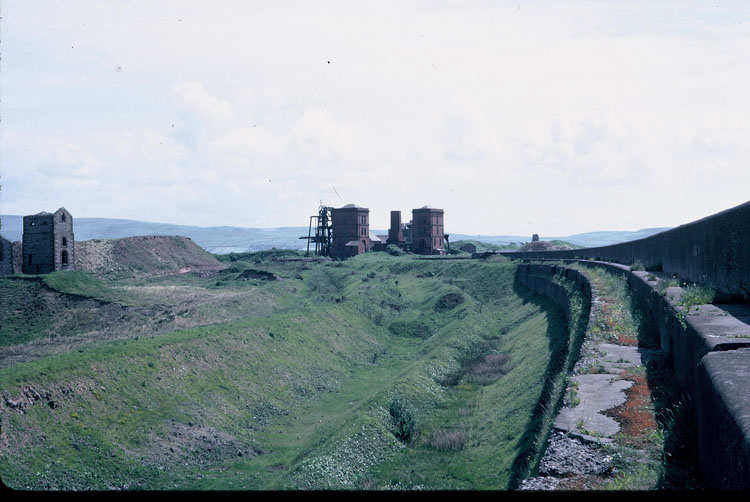
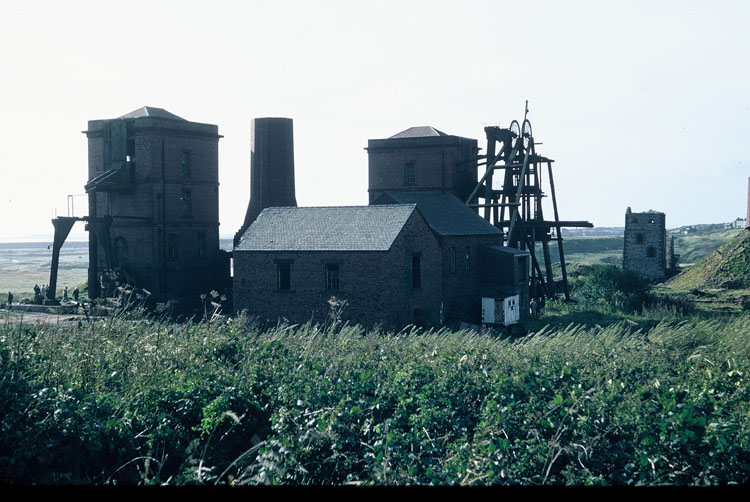
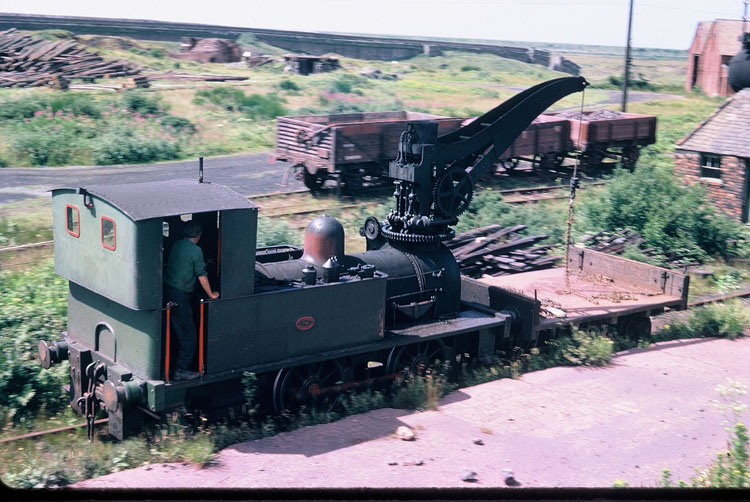
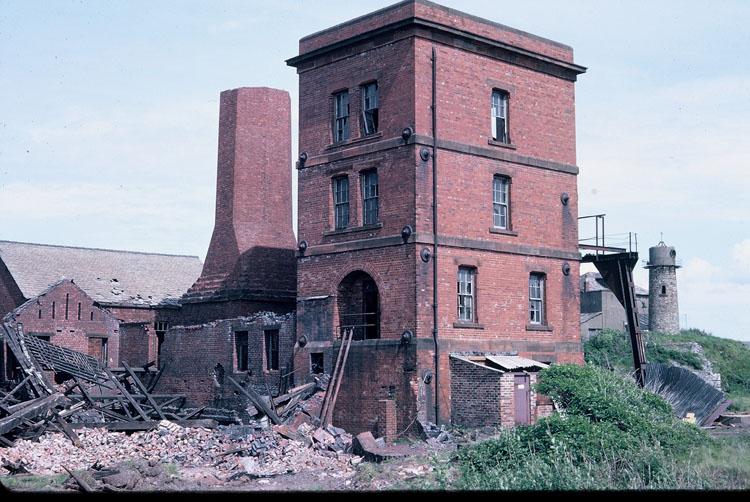
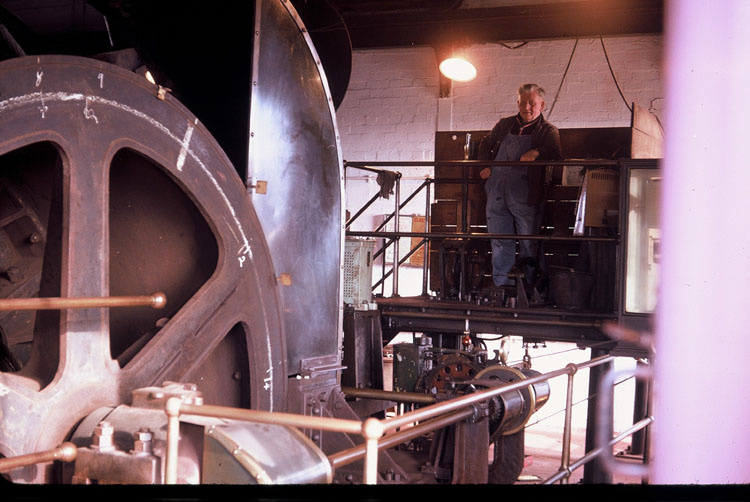
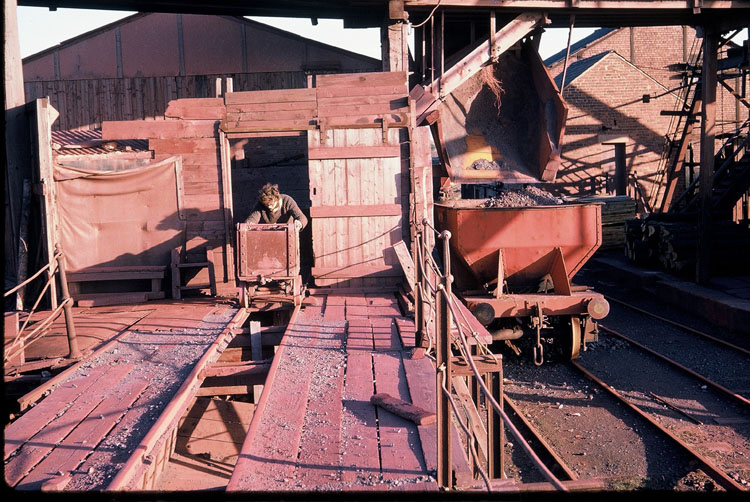
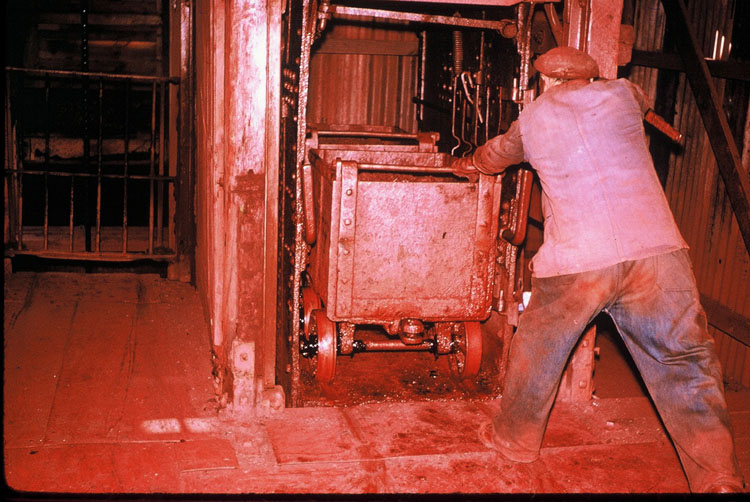
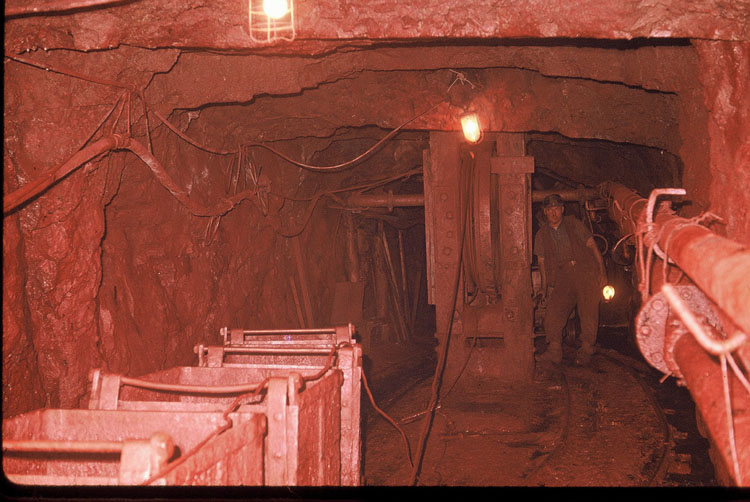
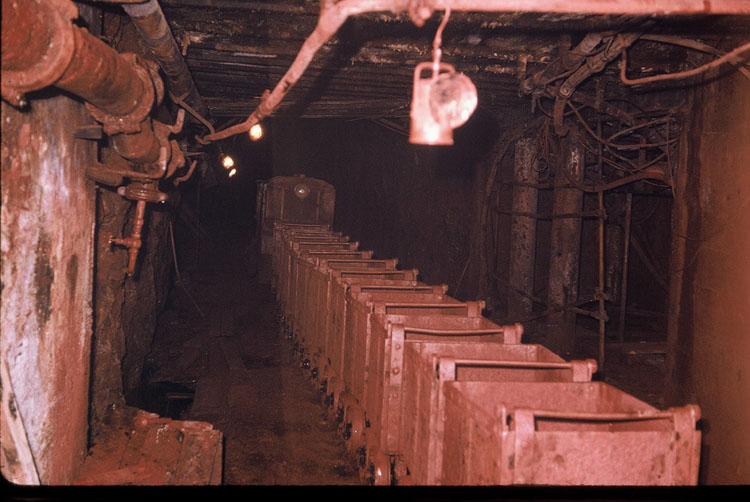
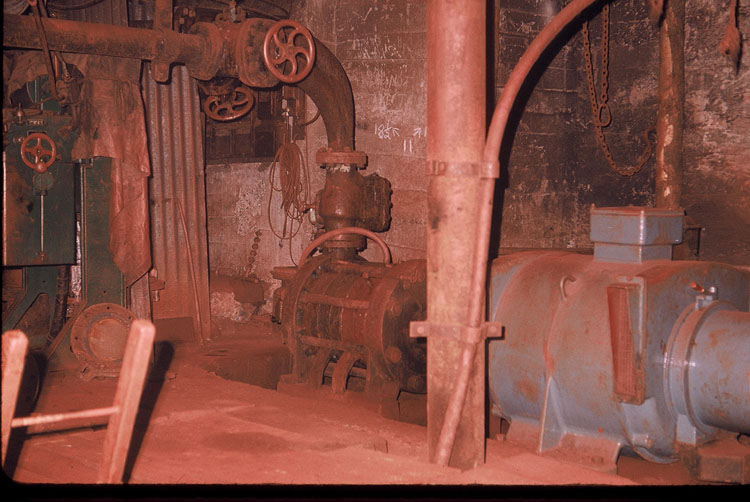
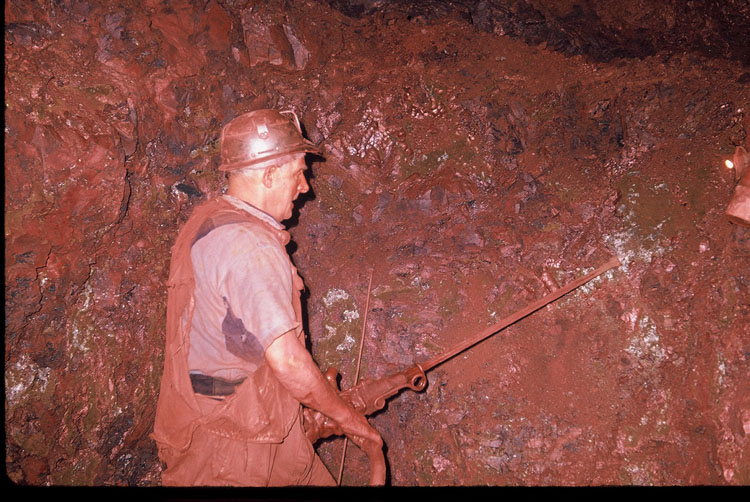
These photos were all taken by Mike Davies-Shiel around the time of the closure of the mines. The notes below them are copied from his slides. More of his originals, and copies of other material on the subject – newspaper articles, old photographs etc. – can be found on the Cumbria Archive Service’s website.

Click here for an introduction to the mines.

Farfield photos

These photos were all taken by Mike Davies-Shiel. The notes below them are copied from his slides. More of his originals, and copies of other material on the subject – newspaper articles, old photographs etc. – can be found on the Cumbria Archive Service’s website.

Click here for a detailed drawing of the mill and an explanation of how it worked.

Keswick Mills

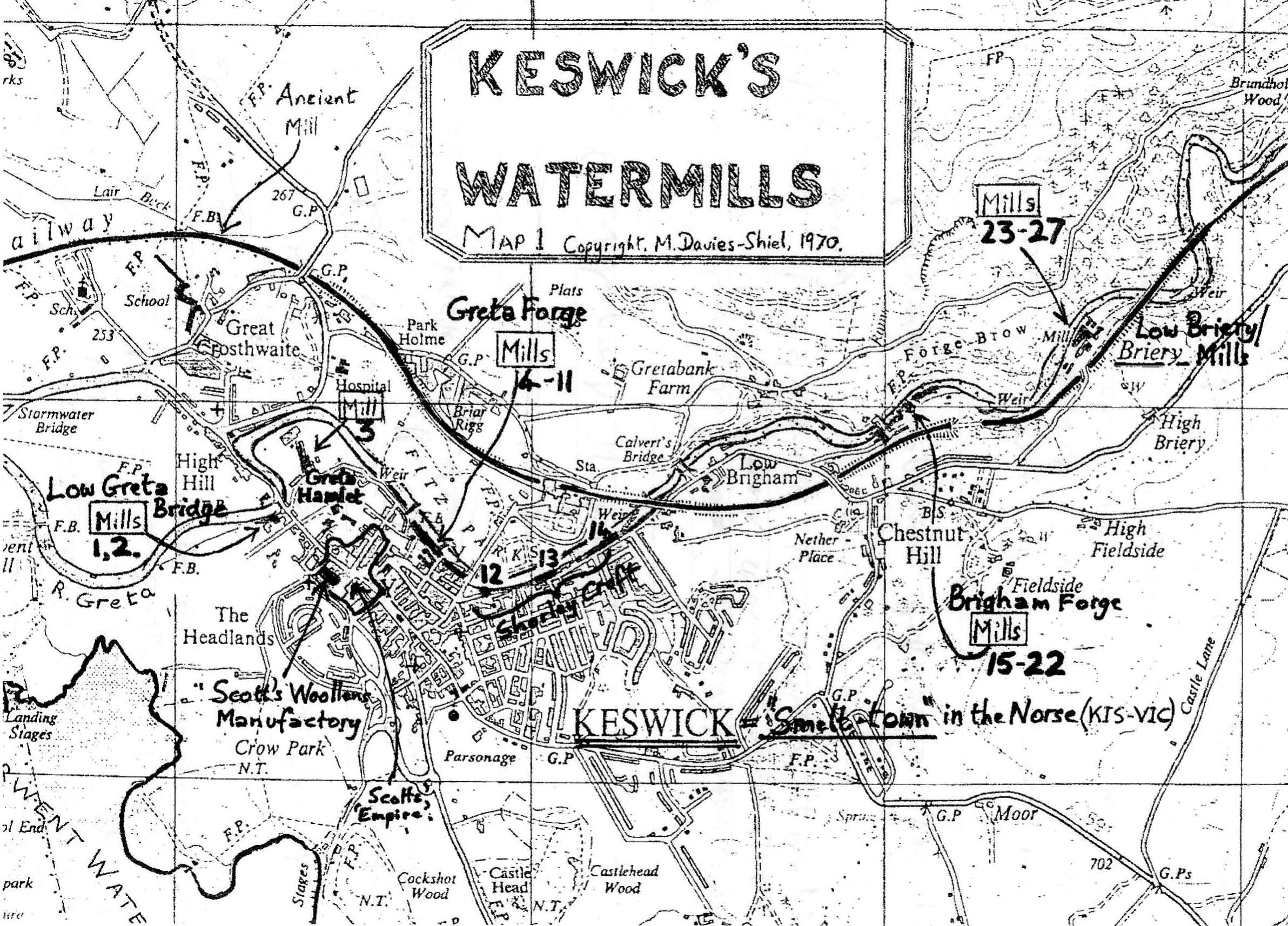
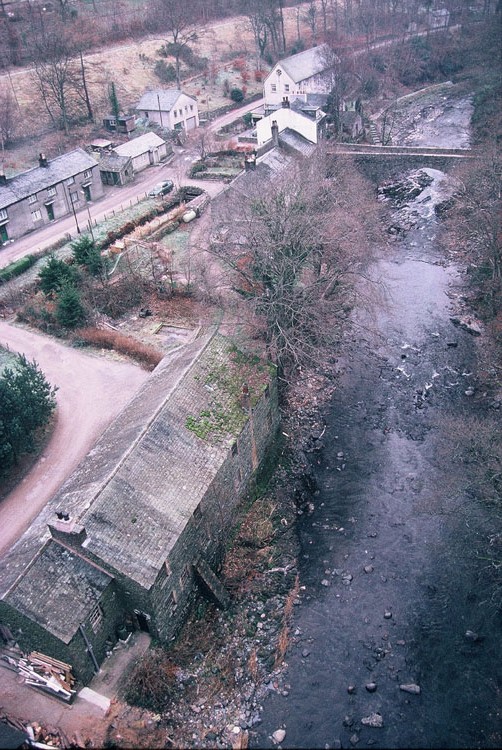
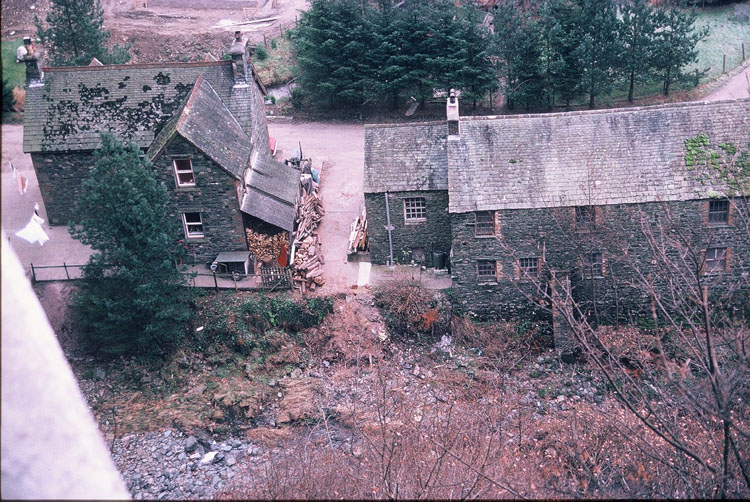
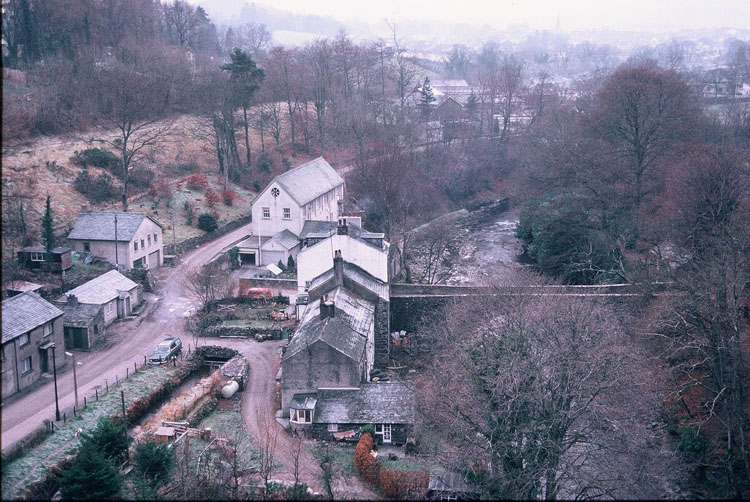
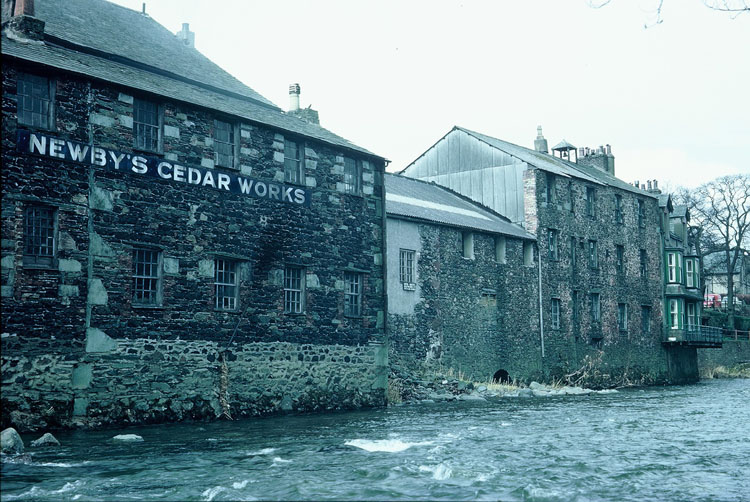
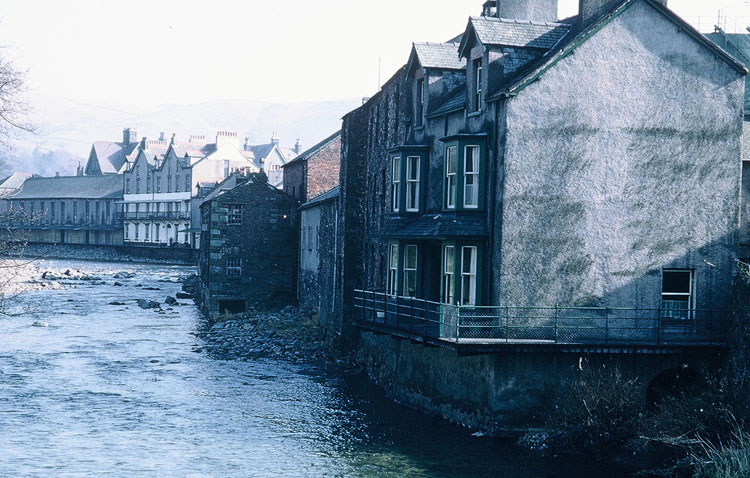
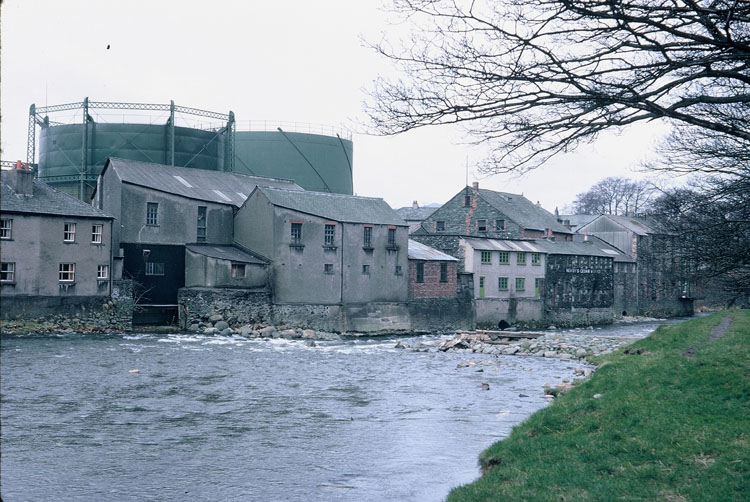
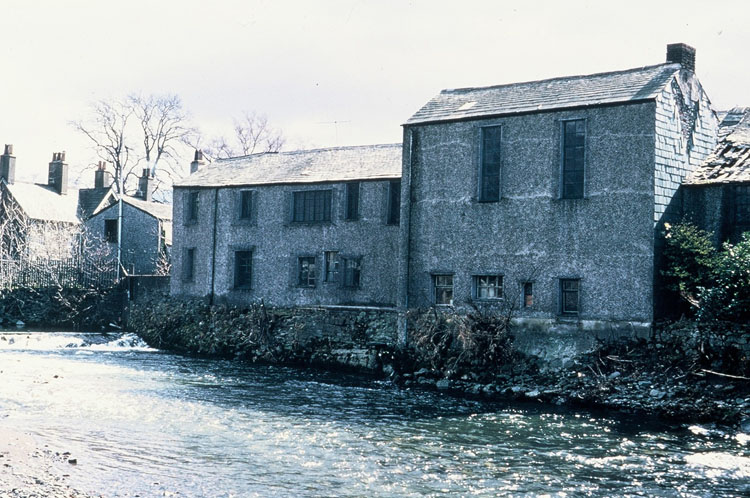
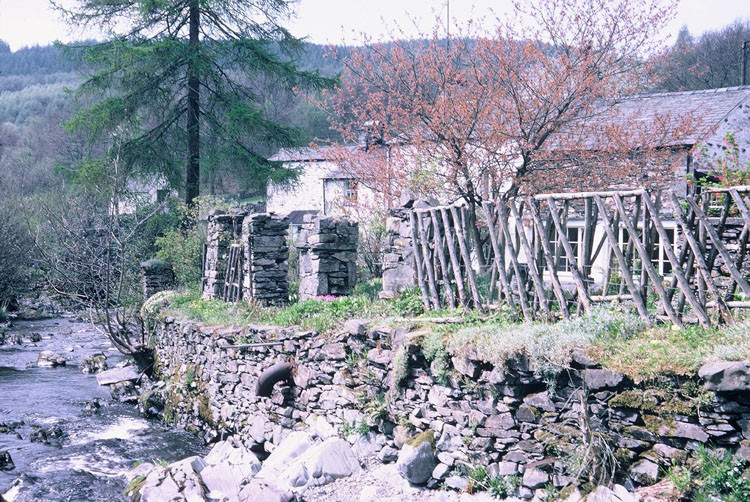
Mike Davies-Shiel spent years researching the history of Keswick’s many mills, investigating their remains, and looking at anything and everything relating to them – original documents, parish registers, local newspapers, old photos and paintings, census records and even gravestones. All this in the days before any of these sources became available online.

His notes, dated 15th August 1987 and entitled “Keswick’s Water-Powered Mills and Manufactories” were published posthumously in The Cumbrian Industrialist, Volume 8, 2013. This is now out of print, but a PDF copy of the article can be seen here.

He describes a total of 27 mills in a number of ‘mill-districts’:-

Greta Bridge – 2 mills and 2 workshops
Greta Hamlet – the Southey Hill complex
Greta Mills – a complex of 8 mills
Greta Forge – all on the left (west) bank of the river
Shooley Crow (correctly Shorley Croft) – 4 mills up as far as the railway bridge
Brigham Forge – a complex of 7 mills and possibly 1 workshop, or t’Forge
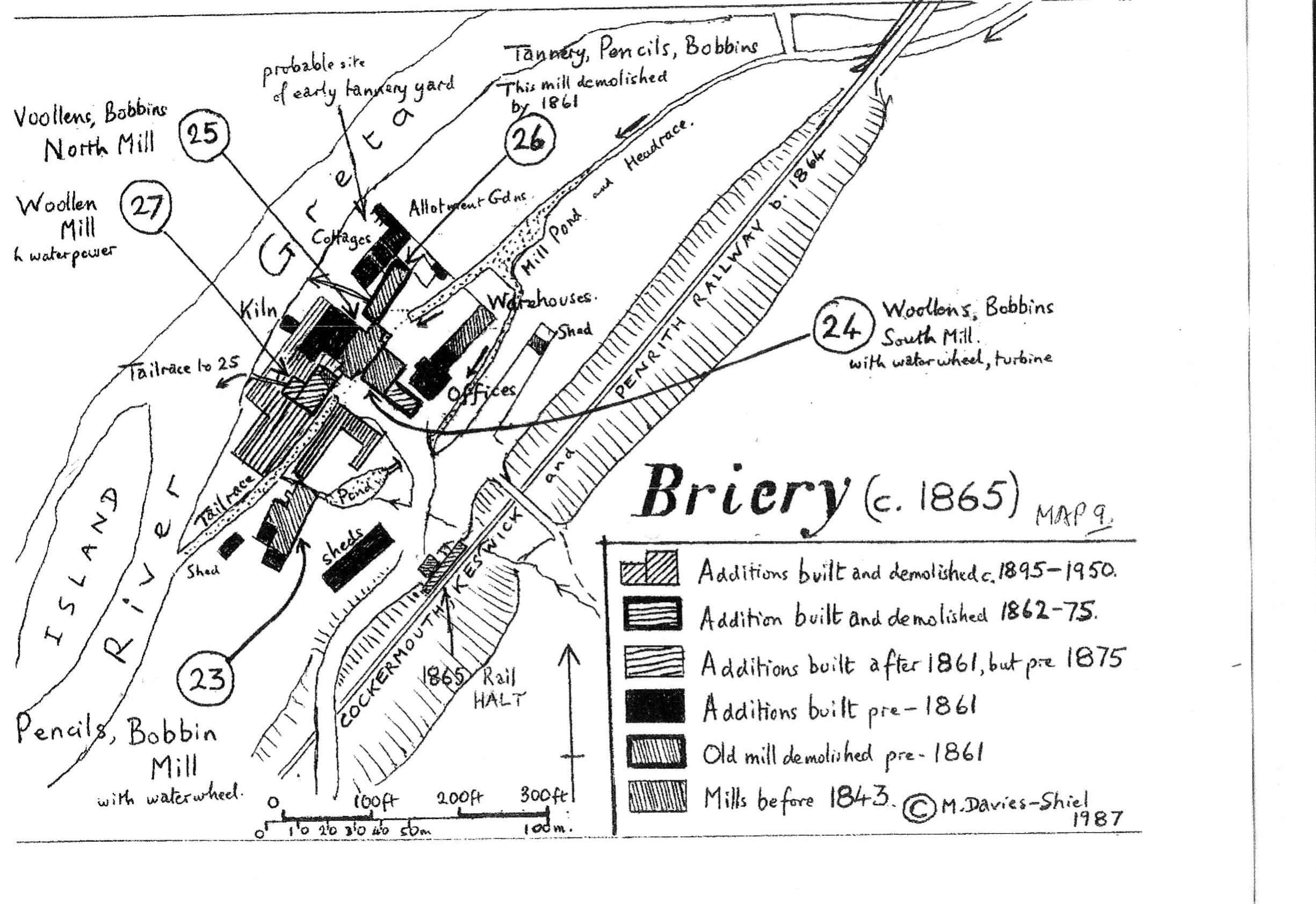
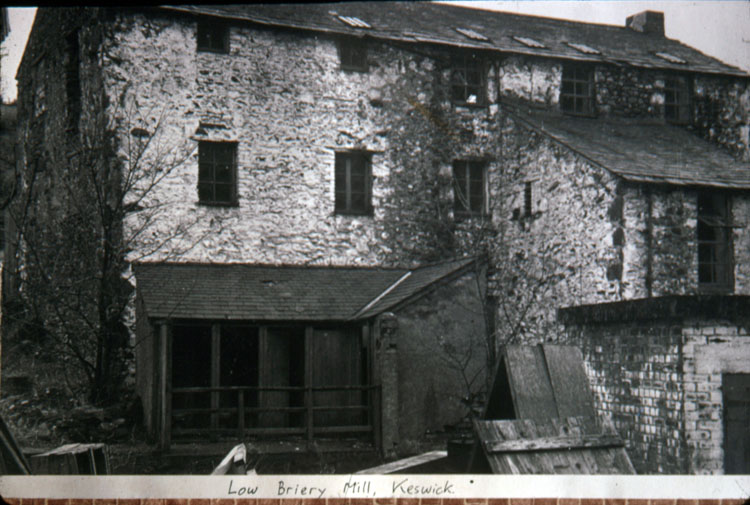
Briery, or Low Briery – a complex of 5 mills, a tannery, and possibly some workshops

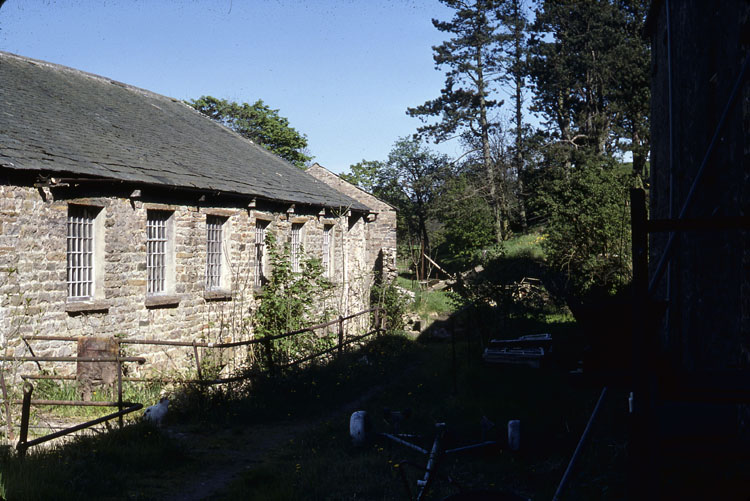
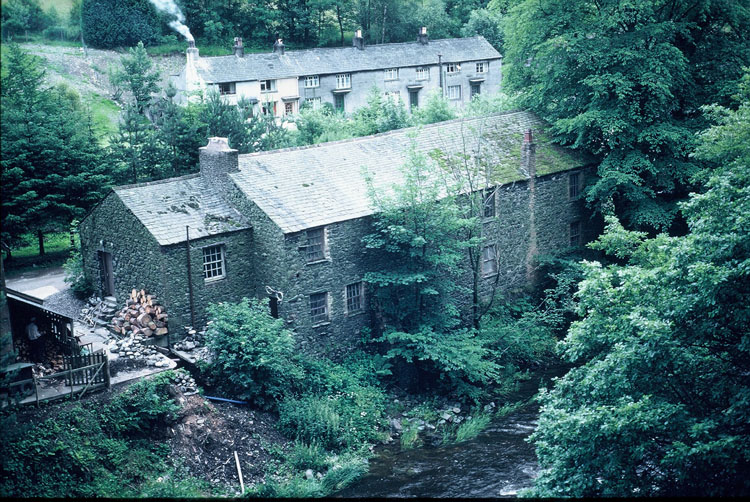
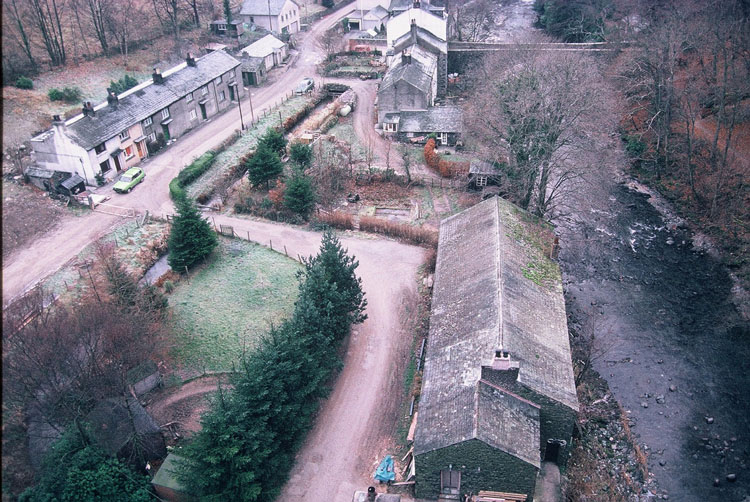
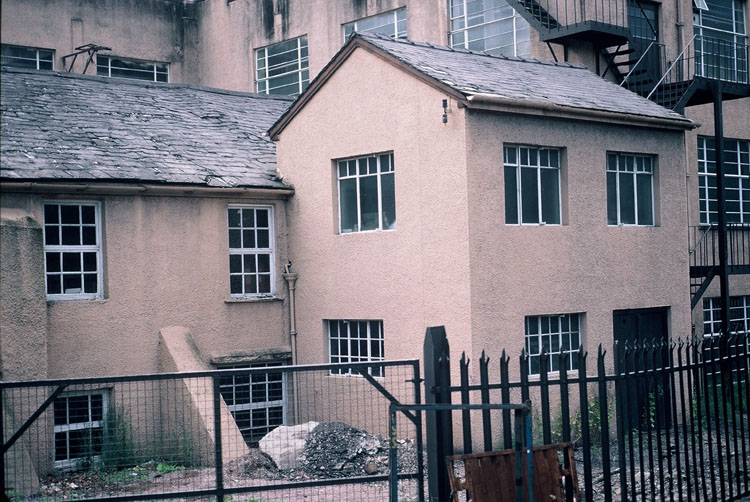
Here is a selection from the photos Mike took during his research. There are many more which you can see by searching the Cumbria Archive Services catalogue.


(Page created 16/10/21. Last updated 28/11/22)

Snuff

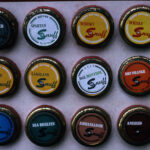
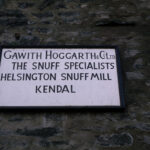
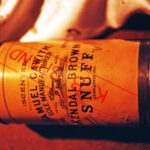
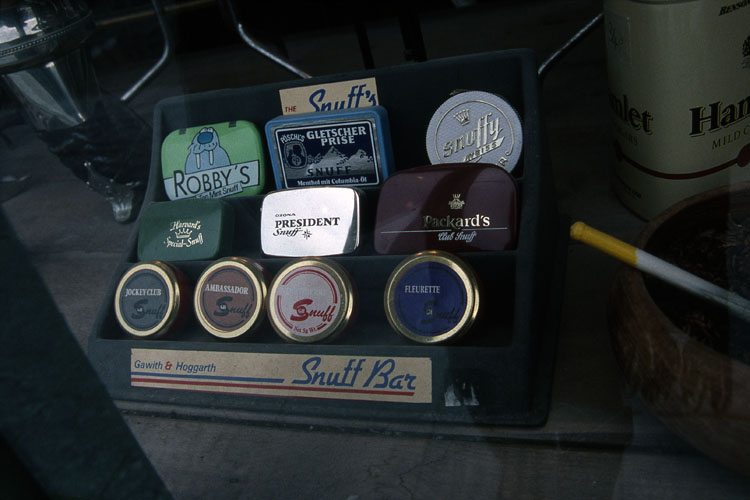
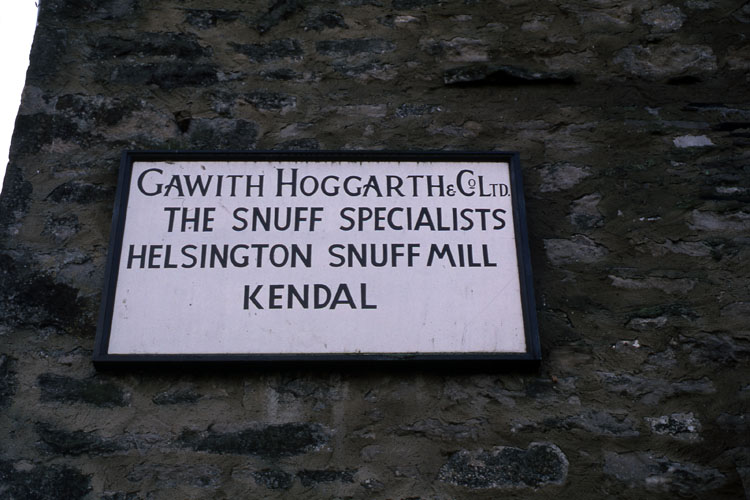
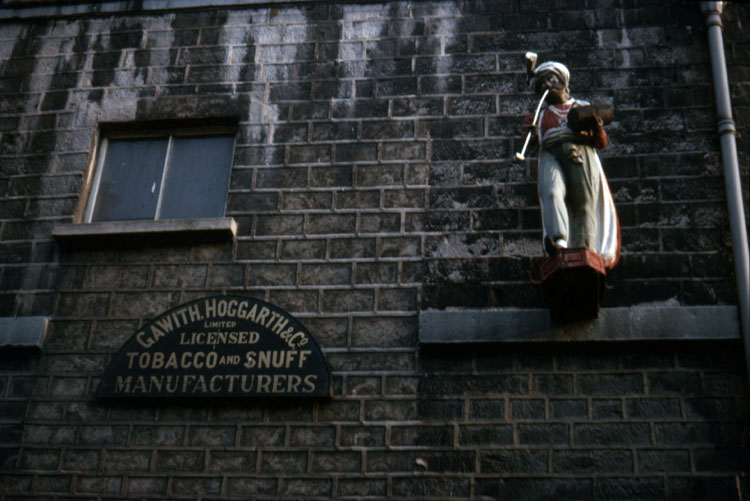
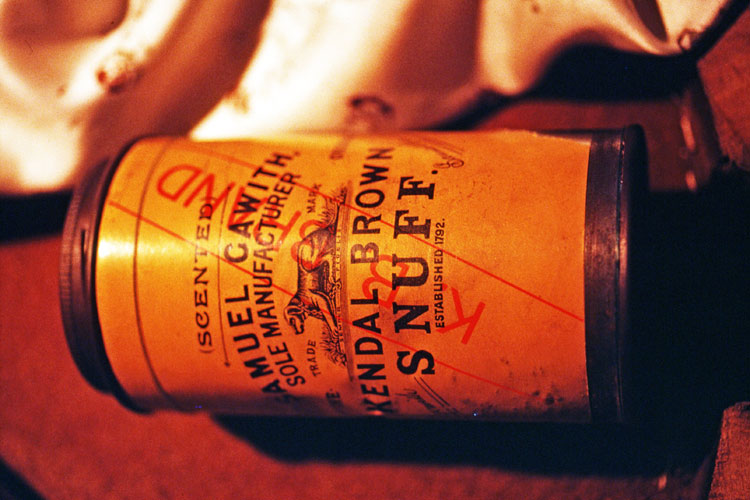
Here is an excerpt from Industrial Archaeology of the Lake Counties, published in 1969. Since then, the three firms mentioned have reduced to one – Samuel Gawith & Co – still operating on an industrial estate to the north of Kendal. Click here to read more about Helsington Laithes mill.

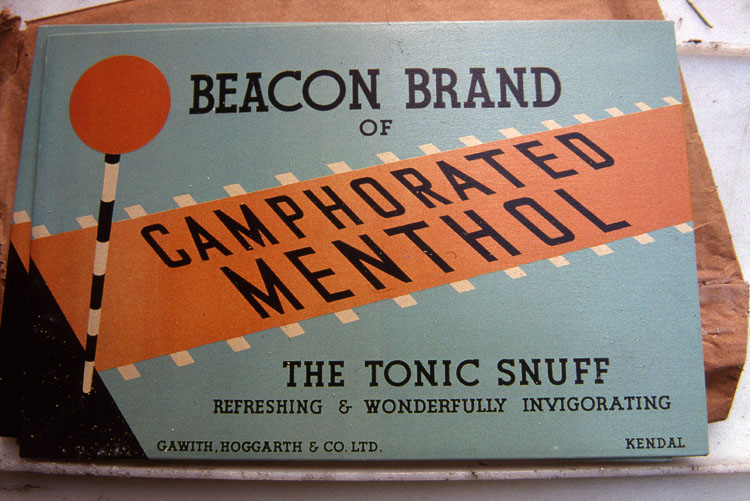
Although the major part of the nation’s snuff is made in Sheffield, the remainder, even today, is manufactured in the Kendal district by an industry of considerable age and standing. This is represented by the three firms of Samuel Gawith & Co, Gawith Hoggarth & Co, and Messrs Illingworth’s at Aynam Mills.

There was a considerable import of tobacco through Whitehaven in the first half of the 18th century, as well as through the port of Lancaster, and it is possible that packhorse loads from Whitehaven found their first resting-place, after a day’s journey via Hardknott, in southern Westmorland. Since the goods were jogged continually, the resultant tobacco dust and broken stalks may have been purchased by Kendal traders at a nominal price. Whatever the case, Kendal is known to have had a snuff mill on Natland Beck in 1740, and there was another at Mealbank in 1792.

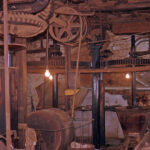
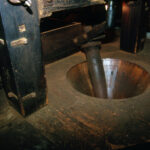
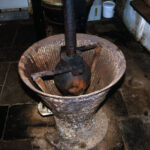
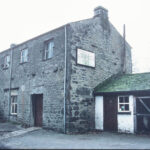
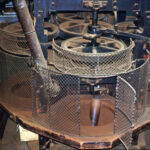
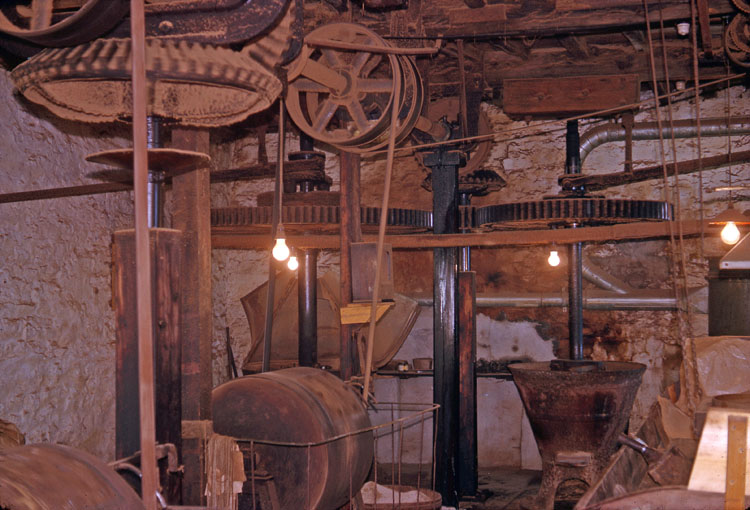
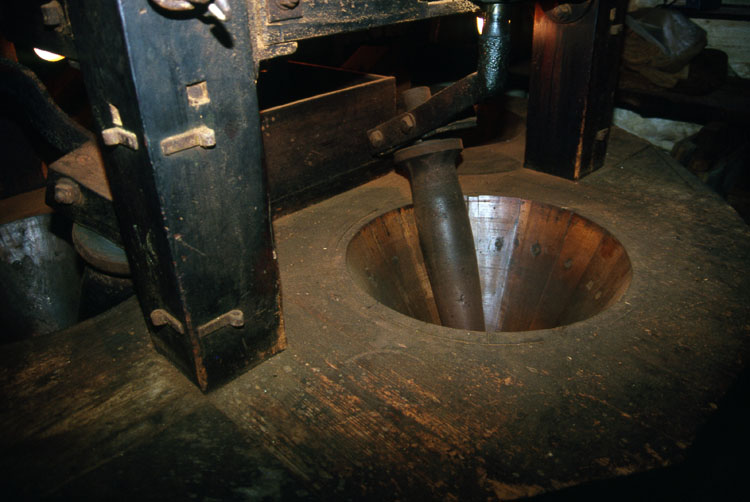
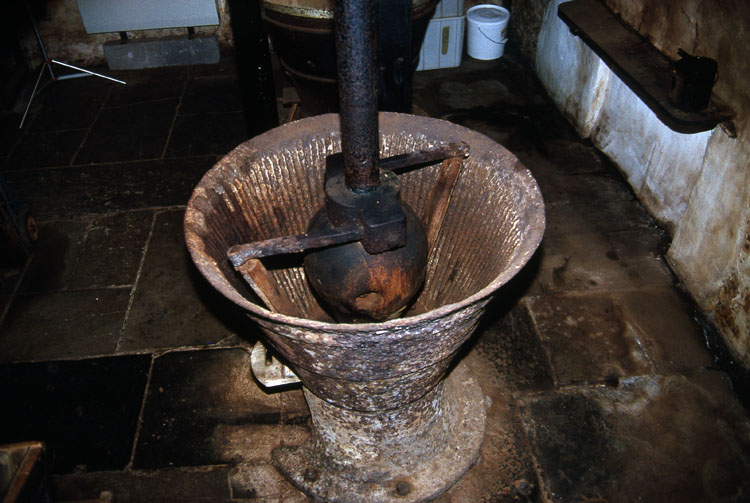
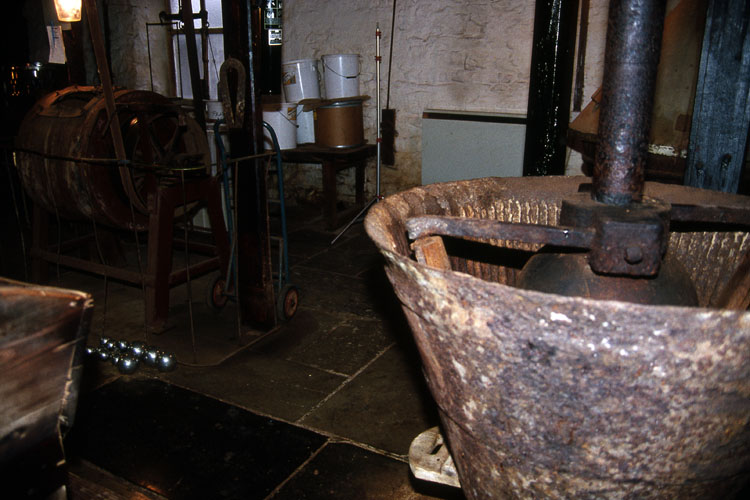
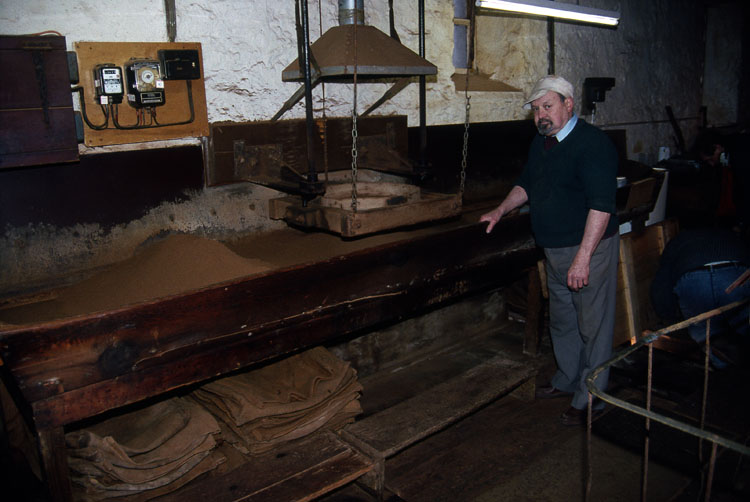
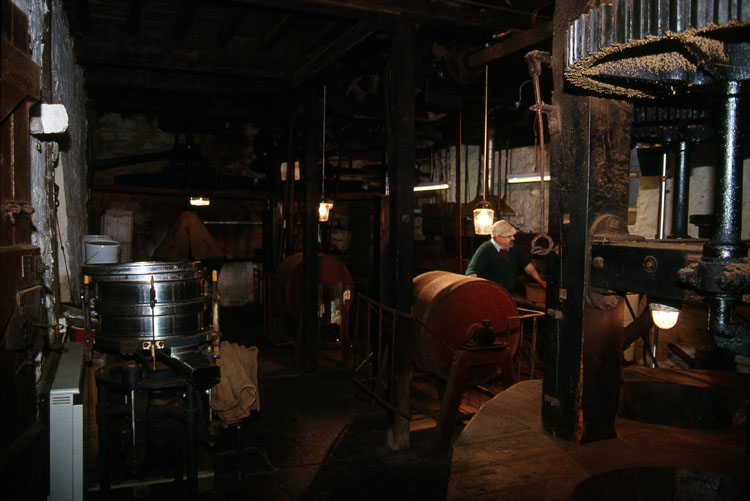
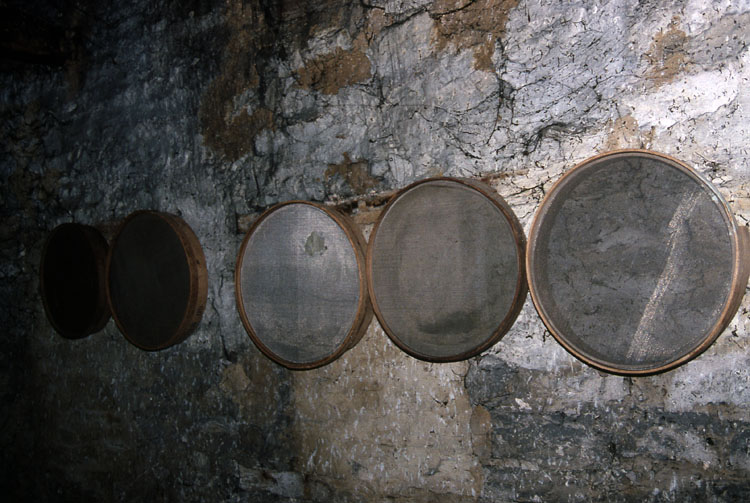
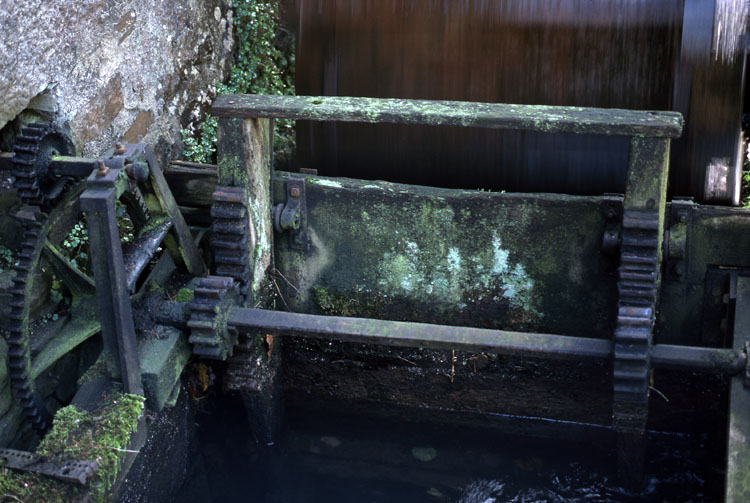
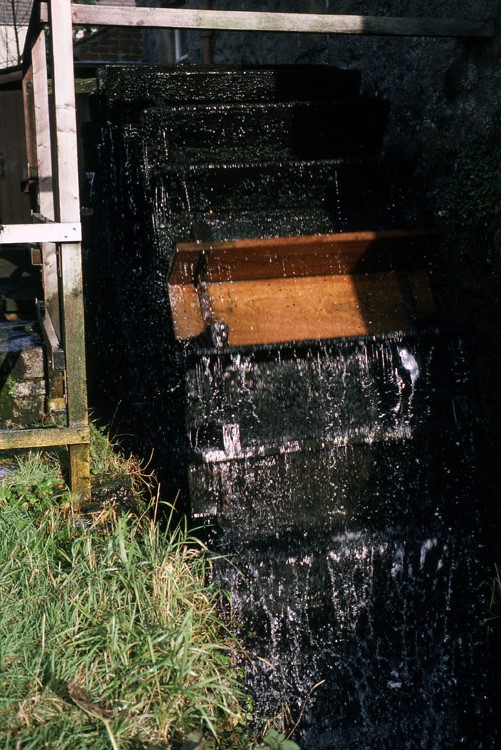
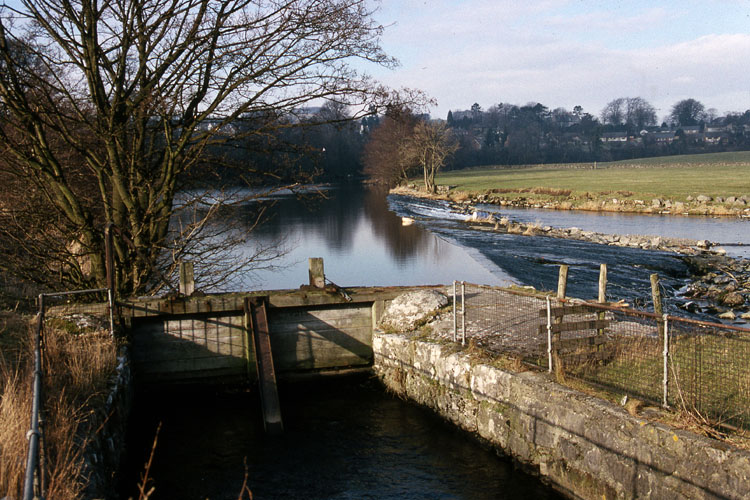
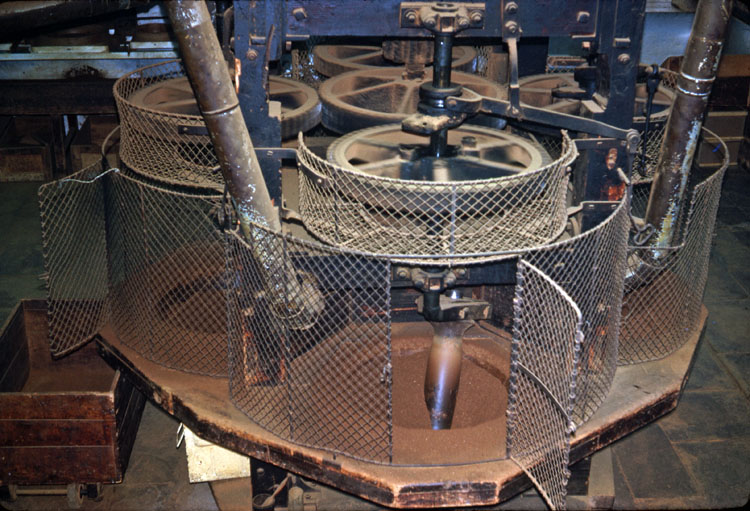
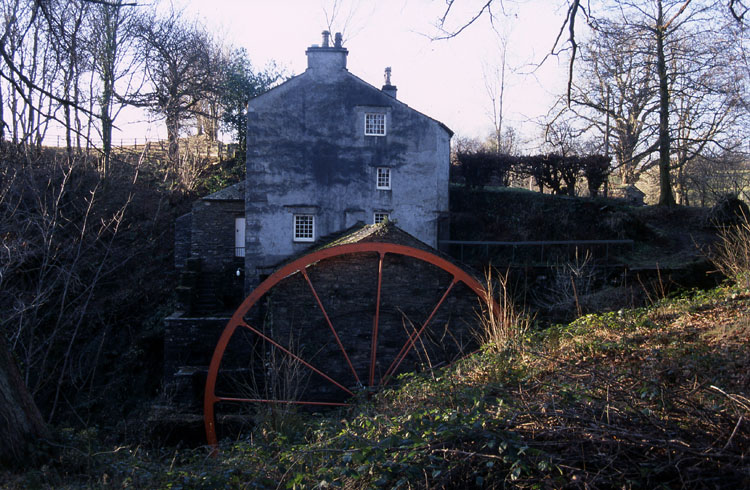
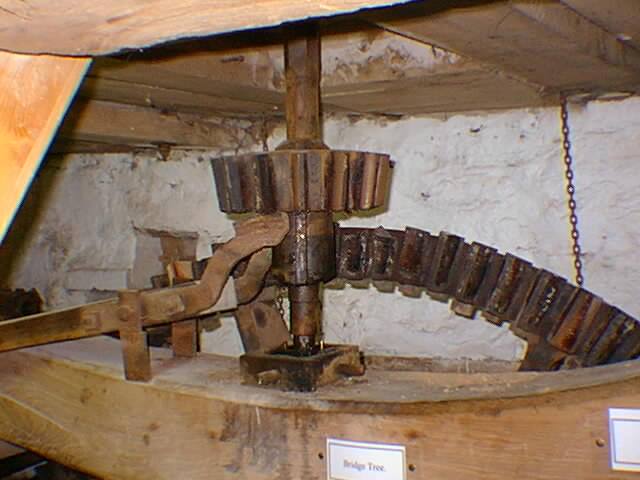
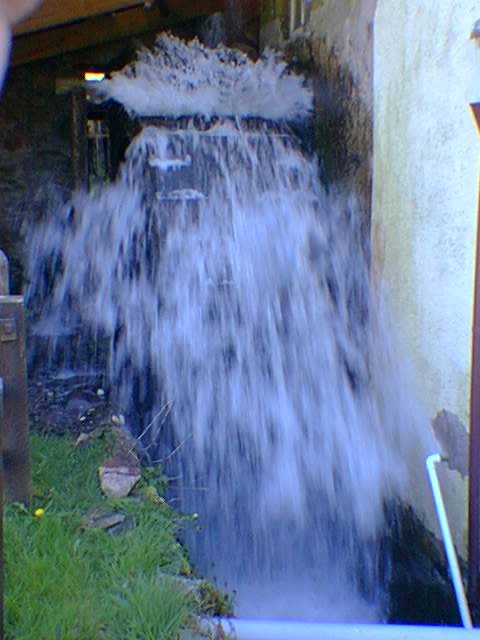
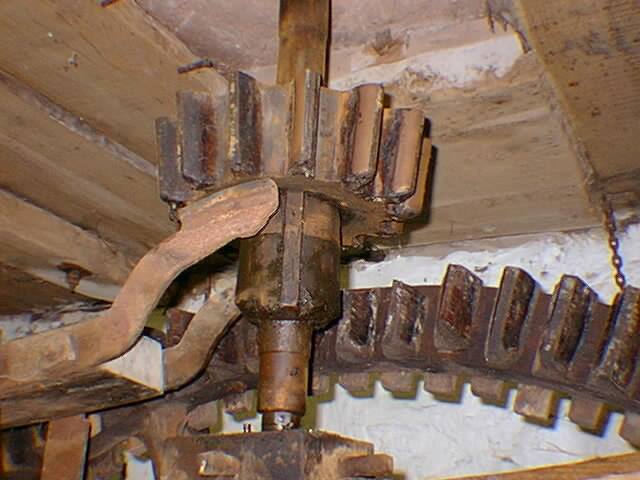
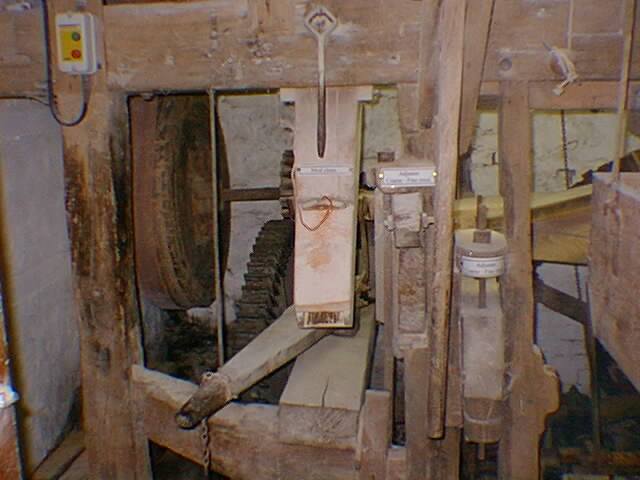
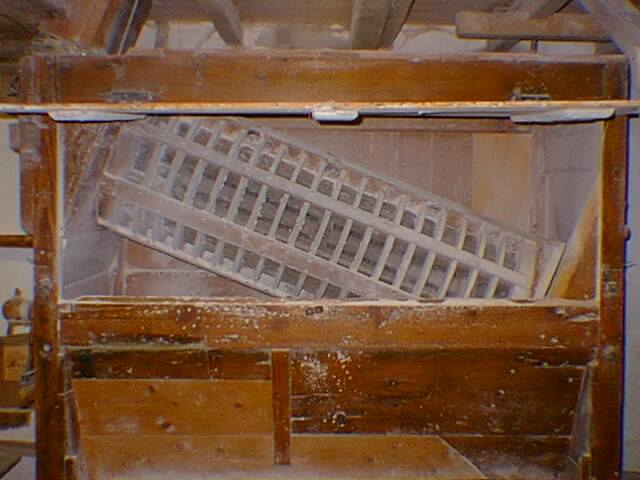
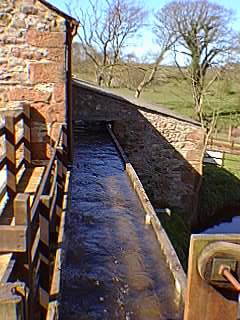
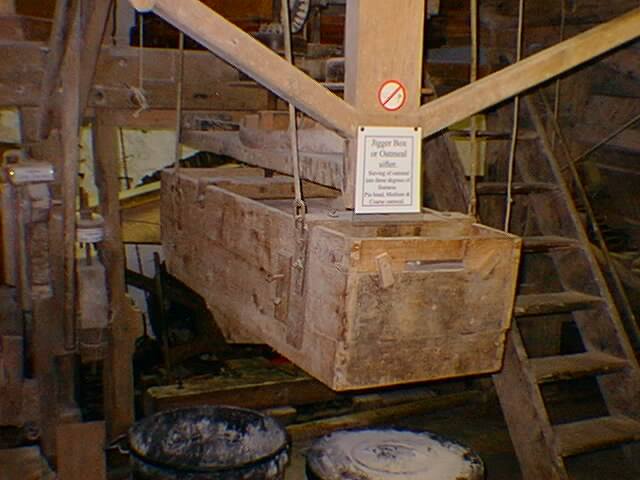
The industry was essentially a water-powered one, involving the use of grinding machinery, and the organisation of the present-day Helsington Laithes mill gives a clear idea of its refinements. This mill still obtains its power from an undershot, paddle-type wheel. The tobacco, carefully roasted, is graded and then ground to a powder in pestle grinders. There are also ball mills, a mixer and a riddle-and-shaker which utilises a principle similar to that used in corning gunpowder. The product is then blended, wrapped and marketed from Kendal.

Kendal Museum have produced an information sheet about the snuff industry, and look out for the book ‘Kendal Brown: the history of Kendal’s tobacco and snuff industry’ by J.W.Dunderdale, published in 2003 by Helm Press.

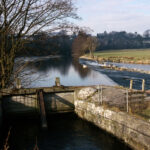
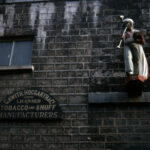
All these photos were taken by Mike Davies-Shiel, and feature the mill at Helsington Laithes except for those marked **.

(Page created 19/01/20)